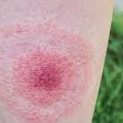
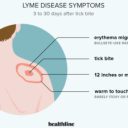
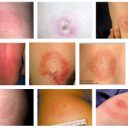
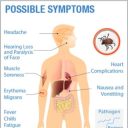
Is Lyme Disease a New Illness?Lyme disease is not a new illness. Although formally identified and named in 1975 following an outbreak in Lyme, Connecticut, evidence indicates that the disease has likely been present for centuries. Historical PresenceHistorical accounts may contain descriptions consistent with Lyme disease symptoms, suggesting the illness has been circulating for a considerable period. The 1975 identification represents the point when the disease was scientifically recognized and characterized. Cause and TransmissionLyme disease is caused by bacteria transmitted through the bite of infected blacklegged ticks. Early Localized StageThe early localized stage typically occurs within 3-30 days of the tick bite. Key characteristics include: - Erythema migrans (EM) rash: The hallmark symptom is an expanding red rash, often with a central clearing. The rash can be large, warm, and potentially itchy or painful. Notably, not everyone develops this rash.
- Flu-like symptoms: Fever, chills, fatigue, headache, muscle aches, and joint pain can occur but are often mild and easily dismissed.
Early Disseminated StageThis stage occurs weeks to months after the tick bite as the bacteria spread beyond the initial site of infection. Symptoms can include: - Neurological symptoms: Meningitis, facial palsy (Bell's palsy), and nerve pain.
- Cardiac symptoms: Irregular heartbeat, myocarditis, and dizziness.
- Joint pain (arthralgia) and swelling (arthritis): Typically involves large joints like the knees.
- Other symptoms: Fatigue, fever, and enlarged lymph nodes.
Late Stage Lyme DiseaseThis stage develops months to years after the tick bite. Chronic and potentially debilitating symptoms can arise: - Chronic arthritis: Persistent joint pain, swelling, and inflammation.
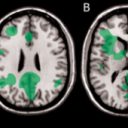
- Neurological problems: Persistent cognitive difficulties ("brain fog"), memory problems, numbness, tingling, and shooting pains.
- Cardiovascular problems: Chronic and serious issues, including chronic heart block.
- Eye inflammation (uveitis): Inflammation of the eye's middle layer.
Important ConsiderationsSeveral important points should be considered: - Symptoms vary greatly: Individuals may experience different combinations and severities of symptoms.
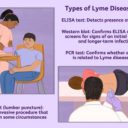
- Diagnosis can be challenging: No single definitive test exists; diagnosis relies on a combination of symptoms, physical examination, and laboratory testing (serological tests for antibodies to Borrelia burgdorferi).
- Treatment is crucial: Early treatment with antibiotics is highly effective. Untreated Lyme disease can lead to serious long-term health problems.
DisclaimerThis information is for general knowledge purposes only and does not constitute medical advice. If you suspect you may have Lyme disease, seek immediate medical attention for proper diagnosis and treatment. |