Does Lyme disease affect mental functioning? | ||
| ||
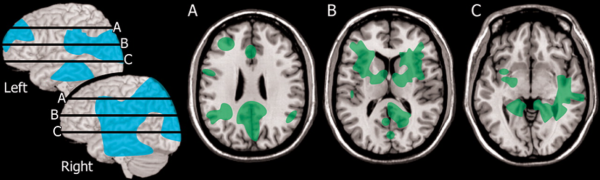
Does Lyme Disease Affect Mental Functioning?Lyme disease, caused by the bacterium Borrelia burgdorferi, is commonly associated with physical symptoms like the characteristic bullseye rash and flu-like symptoms. However, a growing body of evidence suggests that Lyme disease can significantly impact mental functioning as well.
Why People Say That Lyme Disease Affects Mental FunctioningThe rationale behind the link between Lyme disease and mental health stems from the bacterium's ability to cross the blood-brain barrier. Once inside the central nervous system, Borrelia burgdorferi can trigger a cascade of events, including:
These factors collectively contribute to a range of neurological and psychiatric symptoms. The body's immune response to the infection can also contribute to these neuropsychiatric manifestations.
Known Symptoms of Lyme Disease Affecting Mental FunctioningWhile physical symptoms are well-recognized, Lyme disease can also manifest with a variety of neurological and psychiatric symptoms. These mental effects can vary in severity and may even occur in the absence of prominent physical symptoms. Key symptoms include:
Important ConsiderationsIt's crucial to recognize that the mental effects of Lyme disease can be subtle and easily overlooked, potentially being misattributed to other conditions. The connection between Lyme disease and mental health issues is an area of ongoing research, and the precise mechanisms are still being investigated. If you suspect you might have Lyme disease and are experiencing mental health problems, it is essential to consult a healthcare professional for accurate diagnosis and appropriate treatment. | ||
| | ||
| |