Does Chemical Peeling or Laser Treatment Work? | ||
| ||
| Both chemical peels and laser treatments are popular options for improving skin appearance, but choosing the right one depends on a number of factors. Here's a breakdown of their effectiveness and key considerations.
How Chemical Peels WorkChemical peels involve applying a chemical solution to the skin, causing it to exfoliate and eventually peel off. This process reveals new, smoother skin underneath, improving texture and tone.
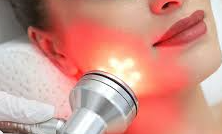
How Laser Treatments WorkLaser treatments use concentrated beams of light to target specific skin concerns. Different types of lasers can address various issues, such as stimulating collagen production, reducing wrinkles, or removing pigmentation.
Factors Influencing SuccessThe effectiveness of both chemical peels and laser treatments isn't guaranteed and hinges on several factors:
Condition-Specific EffectivenessBoth treatments are used for various skin concerns. Here is a general idea of what each works best for:
Potential Risks and Side EffectsBoth treatments carry potential risks. Common side effects include redness, swelling, peeling, and temporary changes in pigmentation. More serious complications, although rare, can include scarring or infection. It's crucial to discuss these risks thoroughly with your practitioner.
The Importance of Realistic ExpectationsResults from both chemical peels and laser treatments vary. It's essential to have realistic expectations and understand that multiple sessions might be needed to achieve desired outcomes.
The Crucial ConsultationA thorough consultation with a dermatologist or qualified medical professional is paramount. They can assess your skin, discuss potential risks and benefits, and recommend the best course of action based on your specific needs and expectations. | ||
| | ||
| |