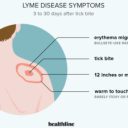
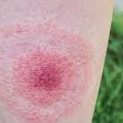
| Lyme disease is treated with antibiotics, typically doxycycline, amoxicillin, or cefuroxime for adults, and amoxicillin or cefuroxime for children. The duration of treatment depends on the stage of the infection and the individual's response, ranging from a few weeks for early-stage localized disease to several weeks or months for disseminated or late-stage disease. Some individuals may experience persistent symptoms even after antibiotic treatment, a condition known as post-treatment Lyme disease syndrome (PTLDS), which requires supportive care and management of individual symptoms. 
The primary treatment for Lyme disease is antibiotics. The specific antibiotic, dosage, and duration of treatment depend on several factors, including: - Stage of infection: Early-stage Lyme disease (localized or early disseminated) generally requires a shorter course of antibiotics than late-stage Lyme disease (disseminated).
- Severity of symptoms: More severe symptoms may warrant a longer course of treatment.
- Patient factors: Age, overall health, and potential drug allergies all play a role in treatment decisions.
- Location of infection: Some areas may have higher rates of antibiotic resistance in the Borrelia burgdorferi bacteria that causes Lyme disease, influencing treatment choices.
Commonly used antibiotics include: - Doxycycline: Often the first-line treatment for adults and children over 8 years old.
- Amoxicillin: A common alternative, especially for pregnant women, children under 8 years old, and individuals with doxycycline allergies.
- Cefuroxime axetil: Another option for adults and children.
- Ceftriaxone: Often used for more severe cases or those with neurological involvement, usually administered intravenously.
Treatment for late-stage Lyme disease: This often requires a longer course of antibiotics, sometimes lasting several weeks. Intravenous antibiotics may be necessary.
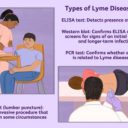
Important Considerations: - Diagnosis is crucial: Treatment should only be started after a confirmed diagnosis of Lyme disease, typically through a combination of physical examination, symptoms, and laboratory testing (though serological tests can be unreliable).
- Persistent symptoms: Some individuals may experience persistent symptoms even after completing antibiotic treatment. This is sometimes referred to as Post-Treatment Lyme Disease Syndrome (PTLDS) and its management is complex and involves a multidisciplinary approach focusing on symptom management rather than additional antibiotics. The cause of PTLDS remains debated.
- Treatment should be supervised by a physician: Self-treating Lyme disease is dangerous and can lead to complications. It is essential to work closely with a doctor experienced in diagnosing and managing Lyme disease to determine the appropriate treatment plan.
This information is for educational purposes only and should not be considered medical advice. Always consult with a qualified healthcare professional for any health concerns or before making any decisions related to your health or treatment.
|