Finding Your Path to Clear Skin: The Best Way to Treat Acne
CK 3398 Created at Updated at
2,05000
Understanding Acne: Classifying Your Acne Type
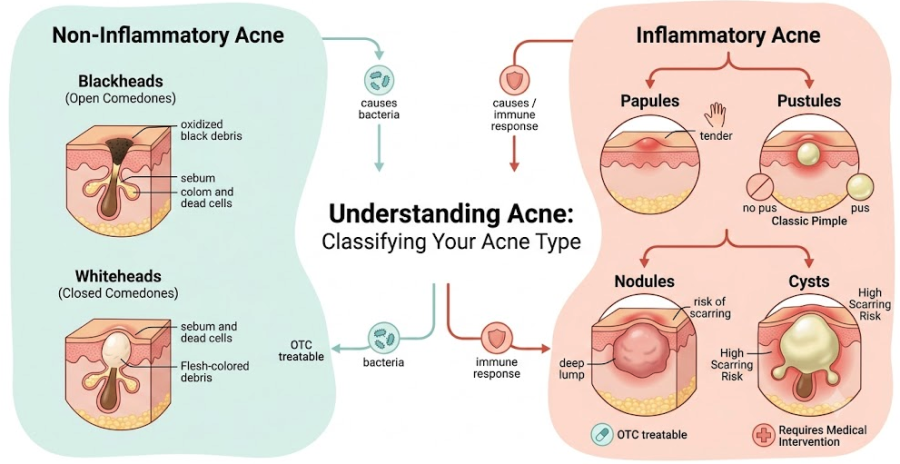
Acne is not a one-size-fits-all condition; it manifests in various forms and severities. To treat acne effectively, you must first understand the specific type of blemishes you are dealing with, as different lesions require different therapeutic targets.
Non-Inflammatory Acne
Non-inflammatory acne consists of clogged pores that have not yet become infected or highly inflamed. These are generally easier to treat with over-the-counter (OTC) topical solutions.
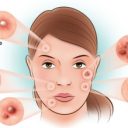
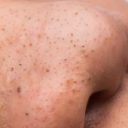
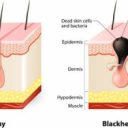
Blackheads (Open Comedones): These occur when sebum (oil) and dead skin cells clog a pore. The top of the pore remains open, and exposure to the air oxidizes the debris, turning it black.
Whiteheads (Closed Comedones): Similar to blackheads, but the pore remains closed at the surface. This traps the debris beneath a thin layer of skin, creating a small, flesh-colored or white bump.
Inflammatory Acne
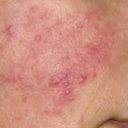
When bacteria (Cutibacterium acnes) become trapped inside a clogged pore, the body's immune system responds, leading to red, swollen, and sometimes painful lesions.
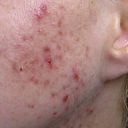
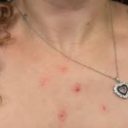
Papules: Small, hard, red, or pink bumps that feel tender to the touch. They do not contain visible pus.
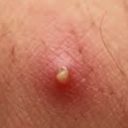
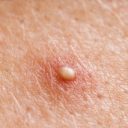
Pustules: Classic "pimples." These are red bumps with a defined yellow or white center filled with pus (a collection of dead white blood cells and bacteria).
Nodules: Large, hard, painful lumps lodged deep within the dermis. They lack a visible "head" and can cause significant tissue damage, leading to scarring.
Cysts: The most severe form of acne. These are large, painful, pus-filled lesions deep beneath the skin’s surface. Cysts have a high risk of permanent scarring and rarely resolve without medical intervention.
Designing a Consistent Daily Skincare Routine
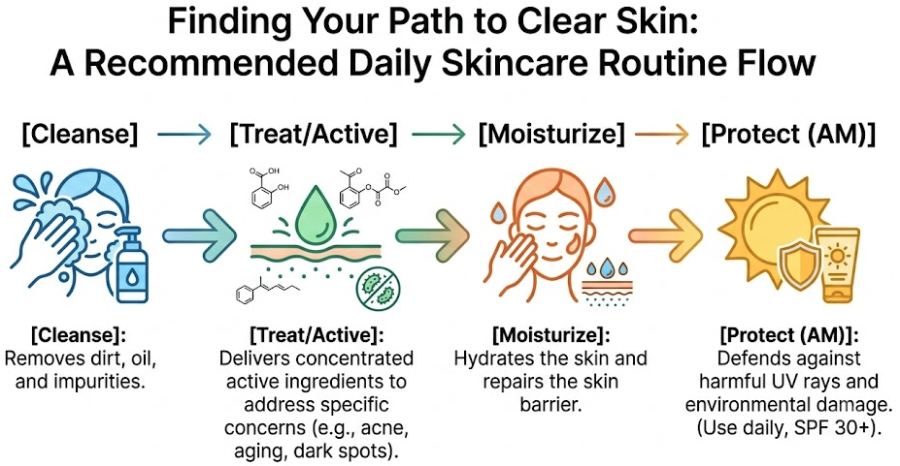
A structured daily skincare regimen is the foundation of clear skin. The goal is to support the skin's natural barrier while gently addressing excess sebum, bacterial growth, and slow skin cell turnover.
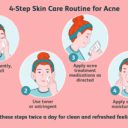
1. Gentle Cleansing (Morning & Night)
Cleansing removes excess sebum, environmental pollutants, and makeup.
The Approach: Use a mild, pH-balanced, non-comedogenic (won't clog pores) cleanser. Avoid harsh scrubs or physical exfoliants, which can create micro-tears in the skin barrier, spread bacteria, and worsen inflammation.
Technique: Wash with lukewarm water and use only your fingertips. Pat dry with a clean, soft towel.
2. Targeted Treatment (Actives)
This step introduces active ingredients designed to disrupt the acne formation process.
Over-the-Counter (OTC) Actives
Salicylic Acid (BHA): A fat-soluble acid that penetrates deep into pores to dissolve sebum and dead skin cells. Highly effective for blackheads and whiteheads.
Benzoyl Peroxide: An antibacterial agent that introduces oxygen into the pores, killing anaerobic C. acnes bacteria. It also helps reduce inflammation. Tip: Start with a 2.5% concentration; it is as effective as 10% but causes significantly less irritation.
Adapalene (Differin): A mild, OTC retinoid that regulates skin cell turnover to prevent pores from clogging.
Prescription-Strength Actives
Topical Retinoids (Tretinoin, Tazarotene): Powerful vitamin A derivatives that speed up cellular exfoliation, prevent comedone formation, and improve overall skin texture.
Azelaic Acid: A multi-tasking ingredient that kills bacteria, reduces redness, and fades post-inflammatory hyperpigmentation (dark spots left behind by healed acne).
Topical Antibiotics: Medications like Clindamycin are used to reduce bacterial load. They are typically paired with benzoyl peroxide to prevent the bacteria from developing antibiotic resistance.
3. Hydration (Moisturizing)
Skipping moisturizer because your skin is oily is a counterproductive mistake. When the skin is stripped of moisture, it signals the sebaceous glands to produce even more oil to compensate.
The Formulation: Choose lightweight, oil-free, gel-based, or water-based moisturizers containing ingredients like hyaluronic acid, glycerin, or ceramides, which hydrate and repair the skin barrier without adding heavy oils.
4. UV Protection (Morning Only)
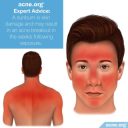
Sun exposure damages the skin barrier and darkens post-inflammatory hyperpigmentation, making acne marks last much longer. Furthermore, many acne treatments (especially retinoids and acids) increase the skin's sensitivity to UV rays.
The Formulation: Apply a broad-spectrum sunscreen with an SPF of 30 or higher daily. Look for physical sunscreens (zinc oxide) which can be soothing to inflamed skin, or ultra-light chemical sunscreens labeled "fluid" or "gel-touch."
Addressing Internal and Lifestyle Triggers
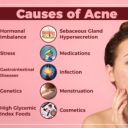
Acne is a systemic condition influenced by internal biology and daily habits. Modifying these lifestyle factors can reduce the frequency and severity of breakouts.
Trigger Category
Impact on Acne
Actionable Management Strategies
Dietary Intake
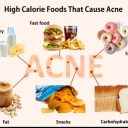
High-glycemic foods (sugar, white bread) spike insulin, which increases sebum production. Whey protein and dairy can stimulate growth hormones linked to acne.
Focus on a low-glycemic, anti-inflammatory diet rich in leafy greens, zinc, omega-3 fatty acids, and antioxidant-rich fruits.
Hormonal Fluctuations
Androgens (male hormones present in everyone) stimulate oil glands. Fluctuations during puberty, menstruation, pregnancy, or PCOS cause flare-ups.
Track breakouts relative to your cycle. Consult a doctor about hormone-regulating options like oral contraceptives or spironolactone.
Stress Levels
Stress triggers the adrenal glands to release cortisol and corticotropin-releasing hormone (CRH), both of which stimulate sebum production.
Implement stress-reduction techniques such as mindfulness meditation, regular cardiovascular exercise, and securing 7–9 hours of sleep.
Daily Hygiene
Bacteria, dirt, and oils easily transfer from environmental surfaces back onto the face, clogging pores.
Wash pillowcases weekly, clean your smartphone screen daily with alcohol wipes, keep hair away from your face, and avoid touching or picking at your skin.
The Crucial Role of Professional Dermatological Care
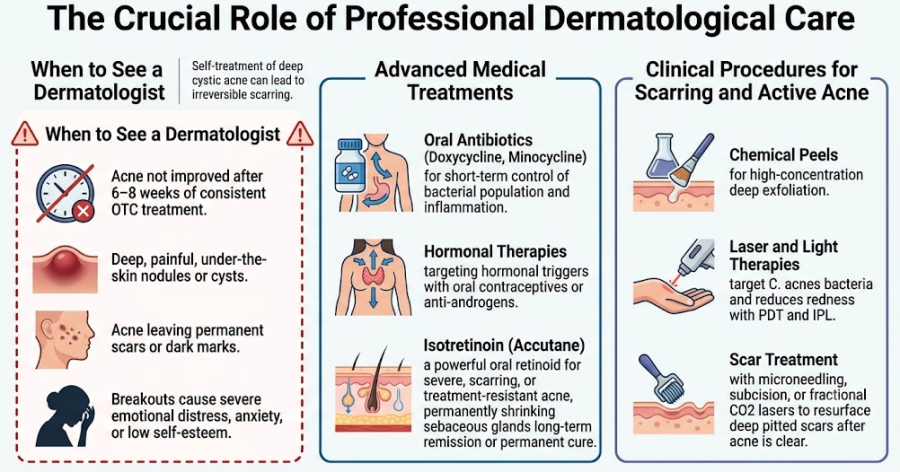
While mild acne can often be managed with consistent OTC routines, moderate to severe acne requires professional medical intervention. Attempting to self-treat deep cystic acne can lead to permanent, irreversible scarring.
When to See a Dermatologist
Your acne has not improved after 6 to 8 weeks of consistent OTC treatment.
You have deep, painful, under-the-skin nodules or cysts.
Your acne is starting to leave permanent scars or dark marks.
The breakouts are causing severe emotional distress, anxiety, or low self-esteem.
Advanced Medical Treatments
Dermatologists can provide highly regulated oral treatments that address acne from the inside out:
Oral Antibiotics (Doxycycline, Minocycline): Used short-term to quickly bring severe inflammatory acne under control by reducing bacterial population and inflammation.
Hormonal Therapies: Oral contraceptives or anti-androgen medications like Spironolactone target the hormonal triggers of acne in women.
Isotretinoin (Accutane): A highly regulated, powerful oral retinoid reserved for severe, scarring, or treatment-resistant acne. It permanently shrinks sebaceous glands, offering long-term remission or a permanent cure for many patients.
Clinical Procedures for Scarring and Active Acne
In-office procedures can accelerate the healing of active lesions and treat residual scarring:
Chemical Peels: High-concentration salicylic or glycolic acid peels exfoliate deep layers of skin.
Laser and Light Therapies: Photodynamic therapy (PDT) and IPL lasers target C. acnes bacteria and reduce redness.
Scar Treatment: Once active acne is cleared, dermatologists use microneedling, subcision, or fractional CO2 lasers to resurface deep pitted scars.
Mindset, Patience, and the Healing Journey
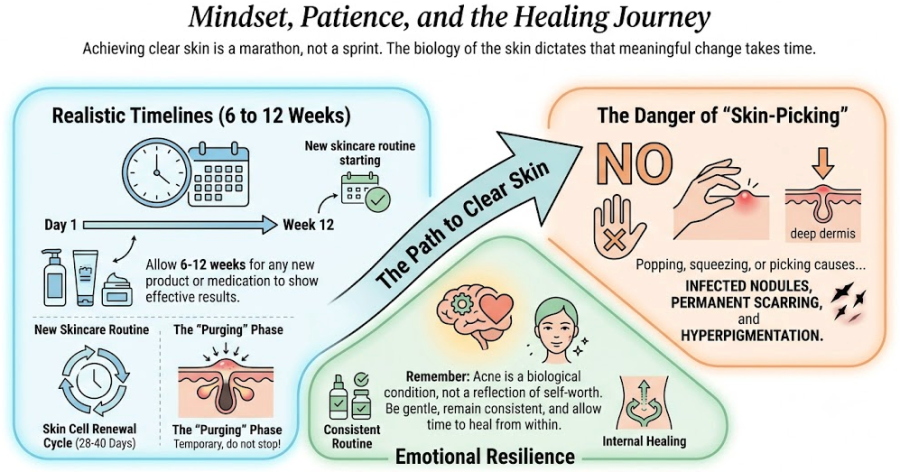
Achieving clear skin is a marathon, not a sprint. The biology of the skin dictates that meaningful change takes time, and navigating this timeline with the right mindset is essential.
Realistic Timelines
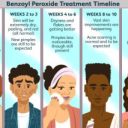
The skin cell renewal cycle takes approximately 28 to 40 days. Therefore, any new skincare routine or medication requires 6 to 12 weeks of consistent use before you can accurately judge its effectiveness.
During the first few weeks of using retinoids or exfoliating acids, you may experience a phase known as "purging." This occurs when accelerated cell turnover pushes existing, deep-seated clogs to the surface all at once. Purging is temporary and should not be confused with a negative reaction to a product.
The Danger of "Skin-Picking"
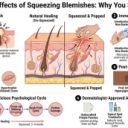
Popping, squeezing, or picking at pimples forces bacteria and debris deeper into the dermis, escalating a minor clog into a severe, inflamed nodule. This practice also tears the surrounding skin tissue, significantly increasing the likelihood of permanent atrophic (pitted) scarring and prolonged hyperpigmentation.
Emotional Resilience
Acne can take a profound toll on mental health. Remember that having acne is a biological condition, not a reflection of personal hygiene or self-worth. Be gentle with your skin, remain consistent with your clinical routine, and allow your body the time it needs to heal from the inside out.