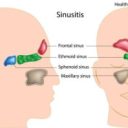
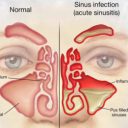
| The sinuses are air-filled spaces located within the bones of your skull. These cavities, nestled within the facial structure, play several roles in maintaining head and respiratory health. Let's explore the location and function of these often-overlooked anatomical features. Sinus Locations: A Skull's Interior LandscapeSinuses aren't just one single space; they are a network of cavities distributed throughout the skull. Specifically, we can identify four primary groups of sinuses: - Maxillary Sinuses: Located on either side of the nose, these are the largest of the sinuses.
- Ethmoid Sinuses: Positioned behind and between the eyes, these are a collection of smaller air cells.
- Frontal Sinuses: Found in the forehead, these sinuses are often the last to develop.
- Sphenoid Sinuses: Located much further back in the head, behind the nose and below the pituitary gland.
(Consider consulting a CT scan image for a more detailed visual representation of these locations.) Why Do We Have Sinuses? Potential FunctionsThe precise evolutionary reasons for sinuses are still under investigation, but current understanding points to two primary functions: - Skull Weight Reduction: The air-filled nature of sinuses helps to lighten the overall weight of the skull. A lighter skull makes head movement easier and reduces the strain on neck muscles.
- Voice Resonance: Sinuses may contribute to the resonance and quality of your voice, acting as resonating chambers similar to those in musical instruments.
Cilia and Mucus: The Sinus Drainage SystemThe interior of each sinus is lined with a mucous membrane featuring tiny, hair-like structures called cilia. These cilia play a critical role in sinus health. - Cilia Function: The cilia constantly beat in a coordinated fashion, propelling mucus (produced by the sinus lining) towards a small opening called the ostium.
- The Ostium: This tiny hole, roughly the size of a pinhole, is the drainage pathway for each sinus, allowing mucus to drain into the nasal passages.
Drainage Challenges: A Sinus WeaknessThe anatomical design of the sinuses, particularly the maxillary sinuses, presents a drainage challenge. - Location of the Ostium: Unfortunately, the ostium for the maxillary sinus is located at the top of the sinus cavity. This upward placement makes it more difficult for mucus to drain effectively, relying on the upward beat of the cilia.
- Potential for Blockage: This less-than-ideal drainage can lead to mucus buildup, particularly during inflammation or infection, increasing the risk of sinus congestion and sinusitis.
|