What are the commonest Lyme Disease Symptoms at onset? | ||
| ||
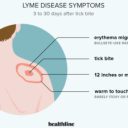
| Lyme disease, transmitted through tick bites, can present with a range of early symptoms. Recognizing these signs is crucial for timely diagnosis and treatment. Symptoms typically appear within 3 to 30 days after a tick bite.
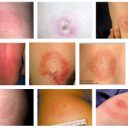
Characteristic Lyme Rash (Erythema Migrans)One of the most recognizable early signs of Lyme disease is Erythema Migrans (EM), a distinctive skin rash. It's often described as a red, circular rash that expands over time. A classic presentation involves a "bull's-eye" appearance where the center of the rash clears, leaving a red ring. However, it's important to note that EM doesn't always present this way. Many individuals may experience a solid red rash without the central clearing, or no rash at all. The absence of a rash does not exclude a diagnosis of Lyme disease.
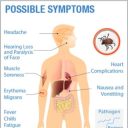
Flu-Like SymptomsIn addition to, or in the absence of, a rash, early Lyme disease often manifests as flu-like symptoms. These can include:
Important ConsiderationsIt's crucial to understand that these early symptoms of Lyme disease are non-specific. This means they can be caused by many other illnesses. Therefore, it can be challenging to diagnose Lyme disease based solely on these symptoms. While the presence of the characteristic Erythema Migrans rash significantly increases the likelihood of Lyme disease, its absence doesn't rule it out.
Seeking Medical AttentionIf you suspect you have Lyme disease based on these symptoms, especially if you recall a tick bite or have been in areas known to have ticks, it's vital to seek medical attention promptly. Early diagnosis and treatment are essential to prevent the development of more severe, long-term complications. A healthcare professional can conduct appropriate tests and determine the best course of action. | ||
| | ||
| |