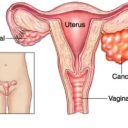
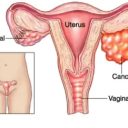
| While not a direct cause, tobacco use is a significant risk factor for vulvar cancer. Smoking increases the risk through various mechanisms, including exposure to carcinogens that damage vulvar cells, weakening the immune system's ability to fight off precancerous changes, and potentially altering hormonal balances that influence cell growth. The risk increases with the duration and intensity of smoking, highlighting the importance of cessation in reducing the risk of developing this cancer. 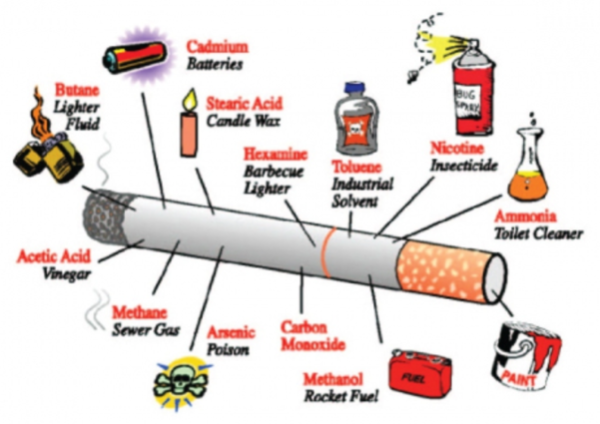
Tobacco use is a significant risk factor for a wide range of diseases and health problems. The risks are not limited to smokers themselves; secondhand smoke exposes others to many of the same dangers. Here's a breakdown of the key risks associated with tobacco:
Cardiovascular Diseases: - Coronary artery disease: Tobacco damages blood vessels, leading to the buildup of plaque and narrowing of arteries, increasing the risk of heart attacks and strokes.
- Peripheral artery disease (PAD): Reduced blood flow to the limbs, often causing pain and discomfort, especially in the legs and feet.
- Aneurysms: Weakening of blood vessel walls, increasing the risk of rupture.
- High blood pressure: Tobacco directly raises blood pressure, straining the cardiovascular system.
Respiratory Diseases: - Lung cancer: The leading cause of cancer death worldwide, strongly linked to tobacco use.
- Chronic obstructive pulmonary disease (COPD): A group of lung diseases including emphysema and chronic bronchitis, leading to shortness of breath and reduced lung function.
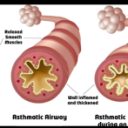
- Asthma: Tobacco smoke can trigger asthma attacks and worsen symptoms.
- Respiratory infections: Increased susceptibility to pneumonia, bronchitis, and other infections.
Cancers:
Beyond lung cancer, tobacco use significantly increases the risk of cancers of the: - Mouth
- Throat
- Esophagus
- Stomach
- Pancreas
- Liver
- Kidney
- Bladder
- Cervix (in women)
- Blood (leukemia)
Other Health Problems: - Type 2 diabetes: Increased risk of developing this metabolic disorder.
- Weakened immune system: Making individuals more vulnerable to infections.
- Infertility and complications during pregnancy: Tobacco use negatively impacts fertility in both men and women and increases risks of premature birth, low birth weight, and stillbirth.
- Osteoporosis: Increased risk of bone loss and fractures.
- Macular degeneration and cataracts: Damage to the eyes, leading to vision loss.
- Dental problems: Increased risk of gum disease and tooth loss.
It's important to note that the risks associated with tobacco use are dose-dependent. The more tobacco a person uses, and the longer they use it, the greater their risk of developing these health problems. Quitting smoking, regardless of age or duration of smoking, significantly reduces these risks.
|