| Studies have shown a link between anabolic steroid use and an increased risk of liver cancer, although the exact nature and strength of this association remain subjects of ongoing research. The risk appears to be dose-dependent and may be further influenced by factors such as the specific steroid used, the duration of use, and the presence of other risk factors for liver cancer. While some studies suggest a significant increase in risk, others show less conclusive evidence, highlighting the need for more research to definitively quantify the risk. 
The relationship between anabolic steroids use and liver cancer risk is complex and not definitively established, but there's strong evidence suggesting an increased risk. Several factors contribute to this uncertainty: - Type and Dose of Steroids: Different anabolic-androgenic steroids have varying effects on the liver. The dose, frequency, and duration of use significantly impact the risk. Higher doses and longer durations are associated with greater risk.
- Method of Administration: Oral anabolic steroids are more likely to cause liver damage than injectables because they undergo first-pass metabolism in the liver, placing a greater burden on the organ.
- Individual Variability: Genetic predisposition, pre-existing liver conditions, and concurrent use of other hepatotoxic substances (e.g., alcohol, other drugs) significantly influence individual risk.
- Study Limitations: Many studies rely on self-reported steroid use, leading to potential underreporting and bias. Furthermore, confounding factors such as lifestyle choices (diet, alcohol consumption) make it challenging to isolate the effect of steroids.
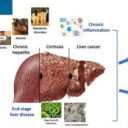
Anabolic steroids can cause liver damage through several mechanisms, including: - Hepatotoxicity: Some steroids are directly toxic to liver cells, causing inflammation (hepatitis) and potentially leading to fibrosis (scarring) and cirrhosis.
- Cholestasis: Steroids can interfere with bile flow, leading to a buildup of bile in the liver, which can cause damage.
- Hepatocellular Adenoma (HCA): This is a benign liver tumor, but it can grow large and potentially rupture, causing severe internal bleeding. A significant percentage of HCAs regress after steroid cessation, but some can progress to hepatocellular carcinoma (HCC), the most common type of liver cancer.
- Hepatocellular Carcinoma (HCC): While the direct causal link between anabolic steroid use and HCC is not fully conclusive, several studies show a statistically significant association, suggesting an increased risk.
While not every anabolic steroid user will develop liver cancer, the evidence suggests a clear association between long-term, high-dose use, particularly of oral steroids, and an elevated risk of liver damage and potentially liver cancer. The risk increases significantly with the combination of high doses, prolonged use, and the presence of other risk factors. Individuals considering using anabolic steroids should be fully aware of these risks and consult with a healthcare professional to weigh the potential benefits against the serious health consequences. 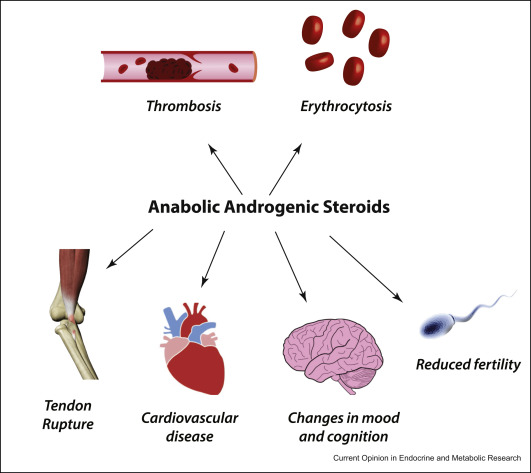
|