Understanding the Risks Between Aging and Stomach Cancer | ||
| ||
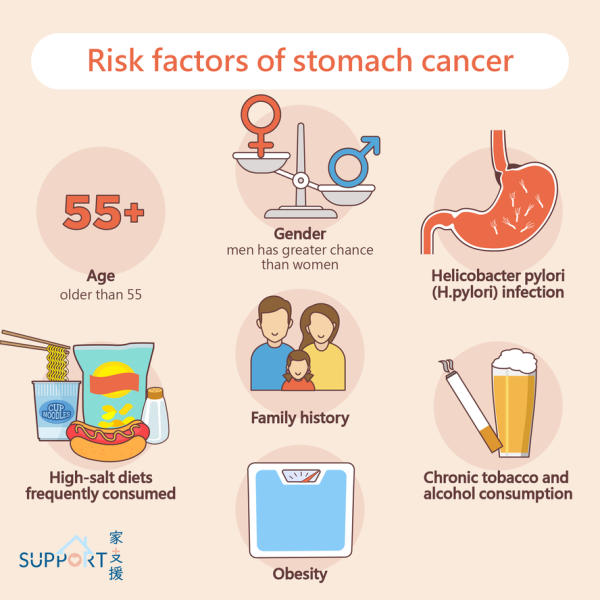
| The risk of stomach cancer increases significantly with age, primarily due to the cumulative effect of various factors over a lifetime. These include exposure to carcinogenic substances (like Helicobacter Pylori Infection, smoked foods, and tobacco), the gradual decline in immune system function, and the accumulation of genetic mutations that can lead to uncontrolled cell growth. Older individuals have simply had more time for these risk factors to exert their influence, making them a more vulnerable population for developing this cancer. The relationship between aging and stomach cancer is strong and well-established. The risk of developing stomach cancer increases significantly with age. This isn't simply a correlation; aging itself contributes to several factors that elevate the risk. Here's a breakdown:
It's important to note: While age is a major risk factor, it's not the sole determinant. Other factors, such as diet (high salt, preserved foods, smoked meats), smoking, alcohol consumption, family history of stomach cancer, and pernicious anemia also significantly impact an individual's risk. These risk factors can interact with age to further increase the chances of developing stomach cancer. Therefore, understanding the link between age and stomach cancer highlights the importance of regular health checkups, particularly for older individuals. Early detection through screening (endoscopy) can significantly improve treatment outcomes. Adopting a healthy lifestyle can also mitigate some of the risks, even at older ages.
| ||
| | ||
| |