| Aflatoxins are potent mycotoxins produced by certain Aspergillus fungi species, presenting a significant threat to liver health. These toxins commonly contaminate improperly stored grains, nuts, and other agricultural products. Aflatoxins and Their SourcesAflatoxins are a group of toxic compounds produced by Aspergillus fungi, particularly Aspergillus flavus and Aspergillus parasiticus. These fungi thrive in warm, humid conditions and frequently contaminate food crops like peanuts, corn, rice, and tree nuts during growth, harvest, and storage. The most concerning aflatoxins are aflatoxin B1 (AFB1), B2, G1, and G2, with AFB1 being the most toxic. The Threat to Liver HealthExposure to aflatoxins, often through contaminated food, poses a substantial risk to liver health, leading to: - Acute Liver Damage: High doses can induce acute liver failure, with symptoms including jaundice, abdominal pain, and potentially fatal outcomes.
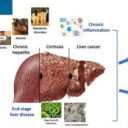
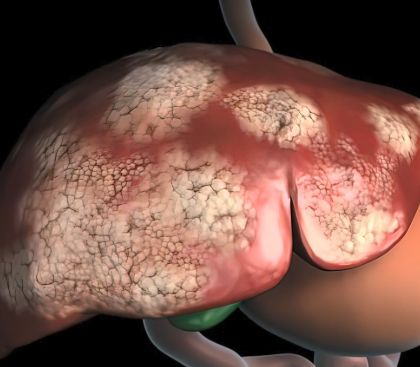
- Chronic Liver Disease: Prolonged exposure to lower doses can contribute to chronic liver diseases such as cirrhosis and, critically, liver cancer (hepatocellular carcinoma).
- Immunosuppression: Aflatoxins can suppress the immune system, increasing susceptibility to infections and other illnesses.
- Growth Retardation: In children, aflatoxin exposure can impair growth and overall development.
Mechanisms of ToxicityAflatoxins damage the liver through multiple pathways: - DNA Damage: AFB1 is metabolized in the liver into a reactive epoxide, which binds to DNA, causing mutations and potentially initiating cancer development.
- Oxidative Stress: Aflatoxins induce oxidative stress, resulting in cellular damage and contributing to liver injury.
- Disruption of Cellular Processes: These toxins interfere with crucial cellular processes like protein synthesis and cell signaling, further promoting liver damage.
Prevention and MitigationReducing aflatoxin exposure is vital for safeguarding liver health. Strategies include: - Good Agricultural Practices: Implementing proper crop management techniques, such as selecting resistant varieties, employing appropriate storage methods, and controlling humidity and temperature during crop growth and storage.
- Food Processing and Storage: Thoroughly cleaning, sorting, and processing contaminated crops to reduce aflatoxin levels. Maintaining suitable storage conditions to prevent further fungal growth is also critical.
- Regulatory Measures: Governments play a crucial role by establishing maximum permissible levels of aflatoxins in food and feed products and enforcing these regulations.
- Biocontrol: Ongoing research focuses on developing biocontrol strategies using microorganisms to inhibit the growth of Aspergillus fungi and reduce aflatoxin contamination.
ConclusionAflatoxin contamination represents a significant global public health concern. Raising awareness of the risks associated with aflatoxins and implementing effective prevention and mitigation measures are essential to minimize their impact on liver health worldwide. |