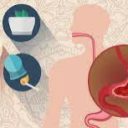
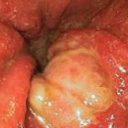
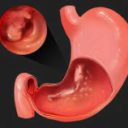
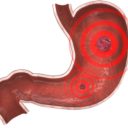
| Diet plays a significant role in stomach cancer risk. A diet high in processed meats, salted or pickled foods, and low in fruits and vegetables is associated with an increased risk. Conversely, diets rich in fruits, vegetables, and fiber, particularly those containing antioxidants and vitamins like A and C, are linked to a reduced risk. The mechanisms likely involve chronic inflammation from harmful dietary components, impaired gut microbiota, and reduced protective effects of antioxidants. While genetics and other factors contribute, dietary modifications can be a crucial preventative measure and may help in managing stomach cancer risk. 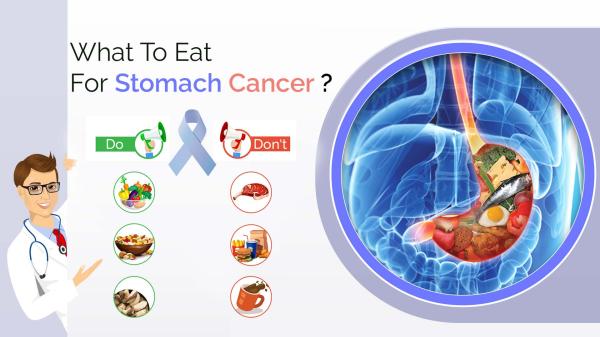
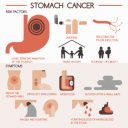
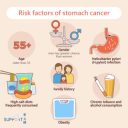
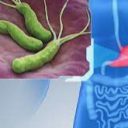
The link between diet and stomach cancer is complex and well-established, although not every case is directly attributable to diet alone. A diet high in certain factors increases the risk, while a diet rich in others offers protection. Risk-Increasing Factors:- High salt intake: High salt consumption, particularly through salted and preserved foods, is strongly associated with an increased risk of stomach cancer. Salt can damage the stomach lining and promote the growth of Helicobacter pylori (H. pylori), a bacterium linked to stomach cancer.
- Processed meats: Nitrates and nitrites used to preserve processed meats (bacon, sausages, ham) can form carcinogenic nitrosamines in the stomach. Consumption of these meats increases the risk of stomach cancer.
- Low intake of fruits and vegetables: Fruits and vegetables are rich in antioxidants and other protective compounds. A diet lacking in these foods reduces the body's ability to combat cell damage that can lead to cancer.
- Low fiber intake: Insufficient fiber intake can lead to constipation and prolonged exposure of the stomach lining to carcinogens.
- Obesity: Obesity is linked to increased inflammation and hormonal changes, both of which can contribute to cancer development, including stomach cancer.
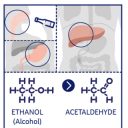
- Smoking and Alcohol: While not strictly dietary, these are lifestyle factors that significantly increase stomach cancer risk and often correlate with unhealthy dietary habits.
Protective Factors:- High consumption of fruits and vegetables: The antioxidants and phytochemicals in these foods help protect against cell damage.
- High fiber intake: A high-fiber diet promotes regular bowel movements, reducing the time carcinogens are in contact with the stomach lining.
- Vitamin C and other antioxidants: These nutrients help neutralize harmful free radicals that contribute to cancer development.
- Probiotics and fermented foods: These foods can contribute to a healthy gut microbiome, which plays a role in immune function and may offer some protection against stomach cancer.
While diet plays a crucial role, other factors such as genetics, H. pylori infection, and previous stomach conditions also significantly influence stomach cancer risk. It's crucial to maintain a healthy lifestyle encompassing a balanced diet, regular exercise, avoiding smoking and excessive alcohol consumption, and seeking medical advice for any persistent digestive issues. A balanced approach addressing all relevant risk factors is key to minimizing the risk of stomach cancer.
|