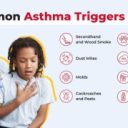
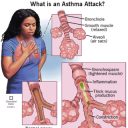
| While there's no guaranteed way to prevent asthma, you can significantly reduce your child's risk by avoiding exposure to known triggers like cigarette smoke (including secondhand smoke), dust mites (through frequent cleaning and allergen-proof covers), pet dander (limiting pet exposure or meticulous cleaning), and cockroaches. Breastfeeding for at least the first six months, vaccinating your child against respiratory infections, and ensuring a clean home environment with good ventilation can also be helpful in minimizing the likelihood of developing asthma. 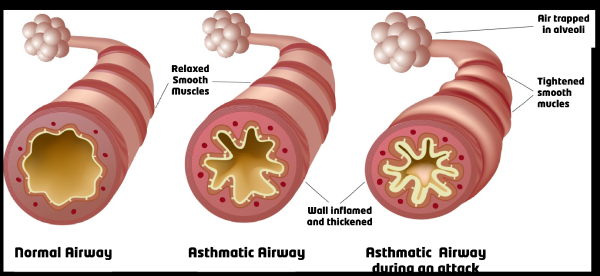
While you can't completely prevent asthma, as genetics play a significant role, you can significantly reduce your child's risk by focusing on these areas:
Prenatal and Early Childhood:- Breastfeeding: Breastfeeding for at least six months is strongly associated with a reduced risk of asthma and other allergies.
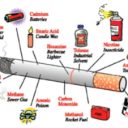
- Avoidance of Tobacco Smoke: Exposure to secondhand smoke is a major risk factor for asthma. This includes cigarettes, cigars, pipes, and vaping. Ensure a completely smoke-free environment for your child, both at home and wherever they spend time.
- Control of Dust Mites: Dust mites are a common asthma trigger. Use mite-proof covers on mattresses, pillows, and box springs. Wash bedding weekly in hot water. Keep humidity low (below 50%) as mites thrive in damp environments.
- Pet Allergens: If you have pets, keep them out of your child's bedroom and regularly clean their bedding and areas where they frequently spend time.
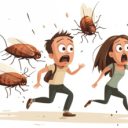
- Cockroach Control: Cockroach allergens are potent asthma triggers. Keep your home clean and free of cockroach infestations. Properly store food and address any water leaks promptly.
- Air Quality: Improve indoor air quality by using HEPA filters in your home and regularly changing filters in your heating and air conditioning system.
- Early Childhood Infections: Some research suggests that early exposure to some infections (within reasonable limits) might reduce the risk of allergies and asthma. However, this is a complex area and avoiding severe infections is crucial.
Beyond Early Childhood:- Healthy Diet: Encourage a diet rich in fruits, vegetables, and whole grains.
- Regular Exercise: Promote physical activity, which can improve lung function.
- Vaccination: Ensure your child receives all recommended vaccinations, as some respiratory infections can trigger or worsen asthma.
- Avoid Irritants and Allergens: Identify and minimize exposure to irritants and allergens like strong smells, fumes, air pollution, and specific foods that might be triggers for your child.
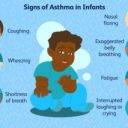
Important Note: These are preventative measures, but some children are genetically predisposed to asthma regardless of these precautions. If your child develops symptoms such as wheezing, coughing, shortness of breath, or chest tightness, seek medical attention immediately. Early diagnosis and management are key to controlling asthma and improving quality of life. This information is not a substitute for professional medical advice. Always consult your pediatrician or allergist for personalized guidance.
|