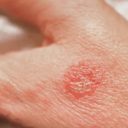
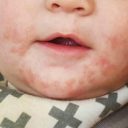
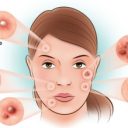
| Eczema, or atopic dermatitis, arises from a complex interplay of genetic predisposition and environmental triggers. A compromised skin barrier, allowing irritants and allergens to penetrate more easily, is a key factor. Genetic variations affecting immune system function lead to heightened inflammation and an overreactive immune response to normally harmless substances. Environmental triggers, including allergens (like pollen or pet dander), irritants (like soaps and detergents), and stress, exacerbate the condition by further inflaming the already sensitive skin. The exact combination of genetic susceptibility and environmental factors varies considerably between individuals, making eczema a highly individualized condition. 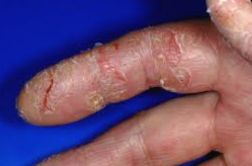
Eczema, also known as atopic dermatitis, is a complex skin condition with no single, universally accepted cause. Instead, it's understood to arise from a combination of genetic predisposition and environmental triggers. The precise interplay between these factors remains an area of ongoing research, but here's a breakdown of the key contributing elements:
Genetic Factors:- Family History: A strong family history of eczema, asthma, or hay fever (collectively known as atopic diseases) significantly increases the risk. This suggests a genetic component influencing the immune system's response. Specific genes involved are still being identified, but variations in genes related to skin barrier function and immune regulation are implicated.
- Immune System Dysregulation: Individuals with eczema tend to have an overactive immune system, leading to inflammation and hypersensitivity. This can cause the skin to react excessively to irritants and allergens. This is partly driven by genetic predisposition.
Environmental Triggers:- Irritants: Many common substances can irritate the skin and exacerbate eczema, including soaps, detergents, fragrances, wool, and certain fabrics. These irritants disrupt the skin barrier, leading to dryness, inflammation, and itching.
- Allergens: Exposure to allergens like pollen, dust mites, pet dander, and certain foods can trigger an allergic reaction in susceptible individuals, leading to eczema flare-ups. The immune system mistakenly identifies these harmless substances as threats.
- Infections: Bacterial and viral infections can worsen eczema symptoms, particularly in young children.
- Climate: Dry air, extreme temperatures (both hot and cold), and low humidity can dry out the skin, making it more prone to irritation and cracking, thus worsening eczema.
- Stress: Stress can exacerbate eczema symptoms in some individuals. The exact mechanism isn't fully understood, but stress is known to influence the immune system.
Skin Barrier Dysfunction:A crucial element is the skin barrier's impaired function. The skin barrier acts as a protective shield, preventing moisture loss and keeping out irritants and allergens. In eczema, this barrier is compromised, making the skin more vulnerable to inflammation and infection. This dysfunction can be both genetically influenced and exacerbated by environmental factors.
In summary: Eczema is a multifaceted condition resulting from a complex interplay between genetic susceptibility and environmental triggers that disrupt the skin's protective barrier and trigger an overactive immune response. While researchers continue to unravel the precise mechanisms, understanding these contributing factors is crucial for effective management and treatment.
|