| If your baby shows signs of a severe allergic reaction (difficulty breathing, swelling of the face or throat, hives, dizziness, or weakness), immediately call emergency services (911 or your local equivalent). Administer their prescribed epinephrine auto-injector (EpiPen or similar) following the instructions precisely, even if symptoms seem mild initially. Keep the baby lying down, elevate their legs slightly if possible, and monitor their breathing until help arrives. After administering epinephrine, seek immediate medical attention even if symptoms improve, as a second reaction can occur. Never hesitate to seek emergency help; time is critical in severe allergic reactions. 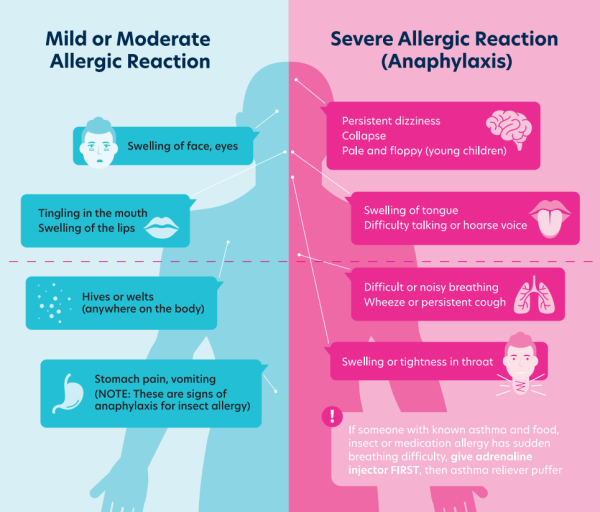
This guide provides crucial information. It is NOT a replacement for medical advice. Always consult your pediatrician to create a personalized allergy management plan for your baby. If you suspect anaphylaxis, call emergency services immediately (911 or your local equivalent).
Recognizing Anaphylaxis in Babies: Symptoms can vary but may include one or more of the following: - Respiratory distress: Difficulty breathing, wheezing, noisy breathing, rapid breathing, blue tinge to skin (cyanosis).
- Skin reactions: Hives (urticaria), swelling (angioedema), especially around the face, lips, tongue, or throat. Itching, rash.
- Circulatory collapse (shock): Pale skin, weak pulse, dizziness (in older babies), fainting.
- Gastrointestinal symptoms: Vomiting, diarrhea, abdominal cramps.
- Sudden onset: Symptoms typically appear suddenly and rapidly worsen.
What to Do IMMEDIATELY: 1. Call emergency services (911 or your local equivalent) immediately. Explain that your baby is having a severe allergic reaction.
2. Administer epinephrine (adrenaline) if prescribed and you have an EpiPen or similar auto-injector. Follow the instructions provided by your doctor *precisely*. This is the most crucial step.
3. Keep your baby lying down. This helps improve blood flow to the brain and vital organs.
4. Keep your baby warm. Wrap them in a blanket.
5. Monitor their breathing and pulse. If possible, maintain a clear airway by positioning them on their side to prevent choking if vomiting occurs.
6. Do not give them anything to eat or drink. This includes water or milk.
7. Follow the instructions given by emergency medical services.
After Emergency Services Arrive: - Provide them with your baby's medical history, including allergy information.
- Stay calm and answer their questions clearly.
- Follow their instructions carefully.
Preventing Future Reactions: - Strictly follow your pediatrician's allergy management plan. This will likely include detailed instructions on avoiding allergens.
- Wear a medical alert bracelet or necklace.
- Educate caregivers and anyone who cares for your baby. Ensure they know how to recognize and respond to an allergic reaction.
- Carry your auto-injector at all times. Keep extra doses according to your doctor's recommendations.
- Attend allergy follow-up appointments. Regular monitoring is essential.
Important Note: This information is for general guidance only. The symptoms and severity of allergic reactions can vary significantly. Early recognition and prompt medical attention are crucial. This is a life-threatening condition, and immediate action is vital. Consult your doctor to develop a personalized plan for your baby's allergies.
| 