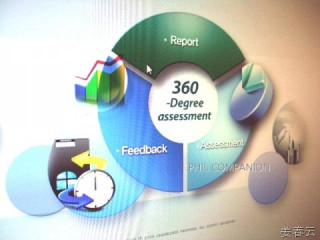
| 360-degree feedback is a powerful performance evaluation tool that gathers input from an employee's peers, subordinates, supervisors, and even clients. This comprehensive approach provides a more holistic view of an individual's strengths and weaknesses than traditional top-down reviews. Evaluation forms often share common ground but diverge significantly depending on the employee's level within the organization. Sample 360 Feedback Categories and Assessment Items: Managerial vs. Non-Managerial RolesThis section highlights sample categories used in 360 feedback surveys and demonstrates how the specific assessment items might vary for senior leaders/managers versus non-managerial staff. These examples should not be treated as exhaustive. A complete 360-degree survey would encompass additional categories. 
360 Feedback Examples: Middle to Upper-Level Manager and Organizational LeaderThis sample focuses on the assessment of managers and leaders, emphasizing areas vital for organizational success. Character- Eagerly pursues new knowledge, skills, and methods.
- Knows own strengths and limitations.
- Personally committed to the strategy.
- Makes decisions based on business needs rather than a personal agenda.
- Self-confident.
- Open to feedback and criticism.
- Avoids negative politicking and hidden agendas.
- Willing to take a courageous stand.
- Trusts others appropriately.
- Respected by others.
- Sincere and straightforward.
- Serves others; avoids selfishness.
- Accepts responsibility for own mistakes.
- Can be trusted with sensitive information.
- Patient when necessary.
- Avoids bias in attitude or treatment of people.
Interpersonal Skills- Resolves conflicts among team members.
- Brings conflicts into the open for resolution.
- Listens effectively.
- Encourages open dialog.
- Gives personal attention; is accessible.
- Adjusts to changes without frustration.
- Preserves others’ self-esteem.
- Earns respect without being overbearing.
- Recognizes the value of people with different talents and skills.
Building Talent- Gives me enough feedback.
- Gives feedback accurately and fairly.
- Makes performance review a meaningful experience.
- Develops a talented team.
- Judges the capabilities of people accurately.
- Keeps talented people challenged.
- Develops bench strength for the future.
- Develops career paths for talented employees.
- Knows employee needs for development.
- Provides cross-training and job rotations.
Leadership/Motivation- Makes a compelling case for his/her point of view.
- Effectively persuades others in order to build commitment for ideas.
- Communicates an inspiring vision.
- Helps people develop passion for their work.
- Recognizes employee contributions and ideas.
- Sensitive to satisfaction and morale in the group.
- Generates urgency in others.
- Recognizes and rewards high performers.
- Provides a positive example; "walks the talk."
- Creates an atmosphere that inspires others to achieve at a higher level.
- Helps staff define clear objectives.
- Regularly reviews objectives with staff.
- Involves employees in decisions.
- Delegates enough work.
- Delegates authority; encourages independence.
- Sets clear deadlines.
- Facilitates rather than dominates.
- Manages costs without alienating the workforce.
- Communicates reasons for changes and decisions.
- Conducts effective meetings.
- Manages people according to their unique needs.
- Tolerates honest mistakes as learning experiences.
- Articulates the strategy in plain language.
360 Feedback Examples: Non-Managerial RolesThis section focuses on assessing the performance of employees in non-managerial positions. The emphasis shifts to individual contributions and teamwork. Character- Patient when necessary.
- Self-confident.
- Open to feedback and criticism.
- Avoids negative politicking and hidden agendas.
- Willing to take a courageous stand.
- Trusts others appropriately.
- Respected by others.
- Sincere and straightforward.
- Serves others; avoids selfishness.
- Accepts responsibility for own mistakes.
- Can be trusted with sensitive information.
- Eagerly pursues new knowledge, skills, and methods.
- Knows own strengths and limitations.
- Avoids bias in attitude or treatment of people.
Interpersonal Skills- Recognizes the value of people with different talents and skills.
- Brings conflicts into the open for resolution.
- Listens effectively.
- Adjusts to changes without frustration.
Motivation- Makes a compelling case for his/her point of view.
- Effectively persuades others in order to build commitment for ideas.
- Conducts effective meetings.
- Sensitive to satisfaction and morale in the group.
- Provides a positive example; "walks the talk."
- Tolerates honest mistakes as learning experiences.
Conclusion360-degree feedback offers a valuable tool for performance improvement. By tailoring assessment categories and questions to specific roles, organizations can gain a more nuanced understanding of employee performance and identify areas for development. Remember that the provided examples are not exhaustive, and a comprehensive 360-degree feedback system should include additional relevant categories. |