| When it comes time to update your resume or prepare for an interview, one of the trickiest questions to navigate can be explaining why you left a previous job. The way you articulate your reasons for leaving can significantly impact potential employers' perceptions of you as a candidate. It is important to frame your departure in a positive light, focusing on professional growth and future opportunities rather than any negative experiences you may have had. Instead of explicitly stating reasons for leaving previous roles on your resume, focus on showcasing accomplishments and skills gained. Use action verbs and quantifiable results to highlight your contributions to each position, implicitly demonstrating professional growth and a proactive career trajectory. This approach avoids potentially negative interpretations of your past employment and keeps the focus on your positive contributions. 
Followings are the good reference because they are all legitimate reasons an employee can decide to move on to a new position. - Limited growth at company: If you found that your previous job didn't offer enough opportunities for growth and development, it's a valid reason to leave. You can highlight your desire for a role that will provide you with more challenges and the chance to expand your skills.
- Good reputation and opportunity at the new company: Sharing that you're attracted to a company with a strong reputation and a promising future can demonstrate your ambition and dedication to your career.
- Looking for a new challenge: If you're seeking a fresh challenge and a chance to use your skills in a different way, this can be a compelling reason to leave your previous job.
- Good career opportunity: Finding a job that aligns with your long-term career goals can be a strong reason to leave a previous role. Highlighting your commitment to professional growth and future opportunities can help you stand out to potential employers.
- Went back to school: Pursuing further education can be a great way to advance your career, and it's a valid reason to leave a job temporarily.
- Relocation: Moving to a new city or state for personal or professional reasons can be a legitimate reason for leaving a job.
- Change in career path: Sometimes, you may decide to take a different direction in your career, and that's a valid reason to leave a previous job.
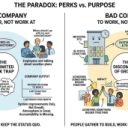
And followings are bad reasons for leaving a job. Even if it's true, there are some reasons you shouldn't use. It's not a good idea to bad mouth your past jobs, bosses or companies or to share too much personal information. - My boss was a jerk: It's not professional to criticize your previous employer or manager in a negative way. Instead, focus on the positive aspects of your experience and how you've grown from it.
- Hated my job: This is a strong negative statement that can make potential employers question your work ethic and commitment. Instead, try to find a more positive way to express that you're looking for a new challenge or opportunity.
- My mom made me quit: Sharing personal information like this can come across as immature or unprofessional. Focus on your own career goals and motivations when explaining your reasons for leaving.
- Manager was stupid: Criticizing your manager or colleagues can damage your reputation and make it harder to find new job opportunities. Instead, focus on the positive aspects of your experience and how you've learned from any challenges you faced.
Remember, the goal is to present yourself as a professional and motivated candidate who is committed to growth and future opportunities. By avoiding negative statements and focusing on your own accomplishments and goals, you can make a strong impression on potential employers. |