| Driving in high heels presents a challenge due to reduced foot control and potentially hampered braking and acceleration responses. The heels can get caught under the pedals, compromising safety and control, while the lack of a flat, stable foot placement reduces sensitivity and precision. Mastering this requires conscious effort to adjust driving posture, utilize the balls of the feet for better pedal control, and practice smooth, deliberate movements to maintain safety and avoid accidents. Ultimately, however, changing into flatter shoes before driving is the safest and most practical solution. 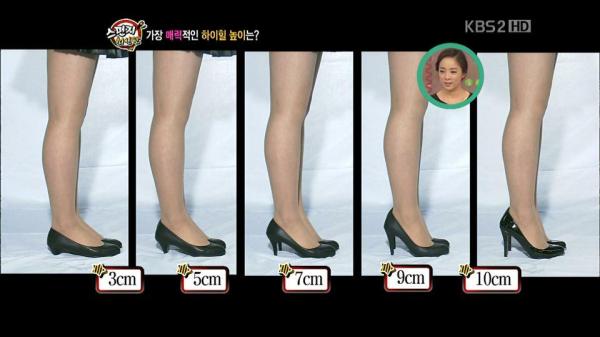
Driving in high heels presents a unique set of challenges, impacting both safety and comfort. While many women choose to drive in them, it's crucial to understand the risks and implement strategies for mitigation. The primary concern stems from the reduced control and precision they offer. High heels can impede the ability to fully depress the pedals, especially the brake, potentially leading to delayed braking responses and compromised stopping power. This is exacerbated in emergency situations. Furthermore, the heel itself can get caught under the pedals, further hindering control and potentially leading to accidents. 
Beyond braking, the narrower heel base also affects steering precision. The delicate movements needed for precise steering can be harder to execute, and there's an increased risk of unintentional acceleration or jerky movements. This is particularly problematic during maneuvering, such as parking or navigating tight spaces. The increased height of the heel can also interfere with the foot's natural resting position on the pedals, leading to discomfort and fatigue during longer drives. To mitigate these risks, consider the following: - Practice: Practice driving in your chosen heels before embarking on a long journey. Get a feel for pedal pressure and steering response.
- Heel Height: Choose lower heels whenever possible. Wedges or block heels generally offer better stability and control than stiletto heels.
- Shoe Type: Avoid heels with thin straps or those prone to slipping. Opt for shoes that provide a secure fit.
- Alternative Footwear: Consider keeping a pair of comfortable, flat shoes in your car for long drives or situations requiring enhanced control. Changing shoes before driving, especially in inclement weather, can enhance safety and comfort.
- Awareness: Be extra vigilant and anticipate potential hazards. Allow extra braking distance and be more deliberate in your maneuvers.
Driving in high heels isn't inherently impossible, but it does demand increased awareness, caution, and a willingness to adapt driving techniques. Prioritizing safety should always be the top priority. Choosing appropriate footwear and practicing beforehand can significantly reduce risks and improve the overall driving experience.
|