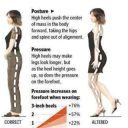
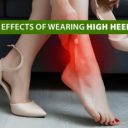
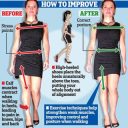
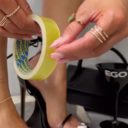
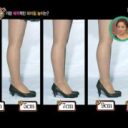
To comfortably walk in high heels, start by choosing a heel height and style that suits your comfort level and the occasion. Practice walking in them at home before wearing them out, focusing on maintaining good posture with your back straight and core engaged. Take short, deliberate steps, placing your heel down first followed by your toes, and avoid walking too quickly. Consider using heel grips or padding to reduce friction and discomfort, and break them in gradually to avoid blisters. Most importantly, listen to your body – if your feet are hurting, take a break or switch to more comfortable footwear.
Walking comfortably in high heels takes practice and the right approach. Here are some tips:
Before You Even Start Walking:
Choose the right shoes: Avoid excessively pointy or narrow toes. Look for heels with a wider base and some kind of ankle support. A slightly lower heel (2-3 inches) is easier to manage than a stiletto. Consider the material – leather tends to be more comfortable and supportive than synthetics. Break them in gradually; don't wear brand new heels for hours on your first outing.
Proper foot care: Well-maintained feet are crucial. Keep your feet moisturized to prevent blisters. Use foot pads or cushions in problem areas. Get a pedicure to remove calluses.
Practice at home: Practice walking in your heels at home on carpet or a soft surface before venturing out. Get used to the balance and gait.
Walking Techniques:
Short steps: Take shorter steps than you normally would. This improves balance and prevents you from tripping.
Engage your core: Maintain a strong core to support your posture and balance.
Straight posture: Keep your back straight, shoulders relaxed, and chin up. Don't slouch. Think tall and confident!
Heel-toe walk: Step down first with your heel, then roll through your foot to your toes. Avoid stomping or slamming your feet down.
Walk slowly: Rushing increases your chances of stumbling.
Avoid uneven surfaces: Steer clear of uneven pavements, cobblestones, or grass if possible.
Know your limits: Don't push yourself beyond what you can comfortably manage. If your feet start hurting, take a break or switch to flats.
Other Considerations:
Insoles: Consider using gel or foam insoles to add cushioning and support.
Heel grips: These can help prevent your feet from sliding forward in the shoe.
Blister prevention: Use blister plasters or anti-friction sticks on areas prone to rubbing.
Take breaks: If you're going to be wearing heels for an extended period, take regular breaks to give your feet a rest.
Alternative footwear: Always have a backup pair of comfortable shoes on hand, just in case.
Mastering high heels is a skill that improves with practice and the right footwear. Don't be discouraged if you stumble a bit at first – keep practicing, and you'll be walking confidently in no time.