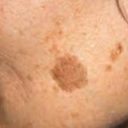
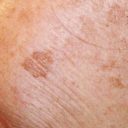
| Preventing age spots, or solar lentigines, primarily involves diligent sun protection: consistently use a broad-spectrum sunscreen with an SPF of 30 or higher, even on cloudy days, reapplying every two hours, and seeking shade during peak sun hours. Supplement sun protection with protective clothing like wide-brimmed hats and sunglasses. Maintaining a healthy lifestyle, including a balanced diet rich in antioxidants and avoiding smoking, may also contribute to minimizing their development. Regular skin checks with a dermatologist are also important for early detection and treatment of any suspicious changes. Preventing age spots (also called sun spots or solar lentigines) is primarily about minimizing sun exposure and protecting your skin from UV radiation. Here's how:
1. Sun Protection is Key:
- Wear sunscreen daily: Use a broad-spectrum sunscreen with an SPF of 30 or higher, even on cloudy days. Apply liberally 15-30 minutes before sun exposure and reapply every two hours, or more often if swimming or sweating.
- Seek shade: Limit your time in the sun, especially during peak hours (10 a.m. to 4 p.m.).
- Wear protective clothing: Cover up with long sleeves, wide-brimmed hats, and sunglasses when you're outdoors. Look for clothing with a UPF (Ultraviolet Protection Factor) rating.
2. Lifestyle Choices: - Quit smoking: Smoking damages collagen and elastin, making your skin more susceptible to age spots and wrinkles.
- Maintain a healthy diet: A diet rich in antioxidants (fruits, vegetables) can help protect your skin from damage.
- Stay hydrated: Drinking plenty of water helps keep your skin healthy and supple.
3. Other Considerations: - Regular skin checks: See a dermatologist regularly for skin exams, especially if you have a family history of skin cancer or notice any changes in your skin. Early detection of skin cancer is crucial.
- Consider topical treatments: Some topical treatments, like retinoids or vitamin C serums, can help improve skin texture and reduce the appearance of age spots. However, these should be used consistently and under the guidance of a dermatologist.
- Professional treatments: For existing age spots, a dermatologist can offer treatments like chemical peels, laser therapy, or microdermabrasion. These are more effective at reducing the appearance of existing spots than prevention.
Important Note: Prevention is far easier and more effective than treatment. Consistent sun protection is the most crucial step in preventing age spots and reducing your risk of skin cancer. If you're concerned about age spots or any changes in your skin, consult a dermatologist. 
|