Endometrial Cancer: Understanding the RisksThe precise cause of endometrial cancer remains an area of ongoing research. However, several factors are known to significantly increase a woman's risk of developing this disease. These factors often revolve around hormonal imbalances, genetics, and lifestyle. Estrogen and Progesterone: A Delicate BalanceA primary driver of endometrial cancer risk is prolonged exposure to estrogen without sufficient counterbalancing progesterone. This imbalance can arise from various sources: Increased Estrogen Exposure: - Early Menarche and Late Menopause: A longer reproductive lifespan translates to more years of estrogen exposure.
- Obesity: Fat tissue produces estrogen, leading to elevated levels in the body.
- Polycystic Ovary Syndrome (PCOS): PCOS is associated with hormonal imbalances, including elevated estrogen levels.
- Tamoxifen Use: While a valuable treatment for breast cancer, tamoxifen can have estrogen-like effects on the uterus, increasing the risk.
- Nulliparity (Never Having Given Birth): Pregnancy and breastfeeding reduce lifetime estrogen exposure.
- Late First Pregnancy: Delaying pregnancy exposes the uterus to unopposed estrogen for a longer period.
- Hormone Replacement Therapy (HRT): Estrogen-only HRT carries a higher risk than combined estrogen-progesterone therapy.
Decreased Progesterone Exposure:
Factors that increase estrogen exposure often simultaneously decrease progesterone. Additional considerations: - Anovulation: Lack of ovulation results in reduced progesterone production.
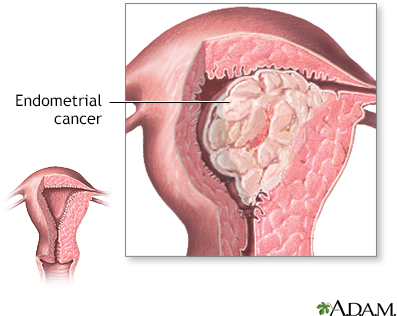
Genetic PredispositionGenetics play a significant role in susceptibility to endometrial cancer. - Family History: A family history of endometrial cancer, particularly in close relatives, increases risk.
- Lynch Syndrome: This inherited condition increases the risk of several cancers, including endometrial cancer. It is caused by mutations in genes responsible for DNA mismatch repair.
Other Contributing FactorsBeyond hormonal and genetic influences, other factors are implicated in endometrial cancer risk: - Race: Endometrial cancer is more prevalent among white women than other racial groups.
- Diet: A diet high in fat is associated with an elevated risk.
- Physical Inactivity: Lack of exercise contributes to increased risk.
- Diabetes: Type 2 diabetes is linked to an increased risk of endometrial cancer.
Important ConsiderationsIt's crucial to understand that having one or more risk factors does not guarantee the development of endometrial cancer. Many women with these factors never develop the disease. Conversely, some women with no known risk factors may still be diagnosed. Ongoing research is aimed at unraveling the complex interactions between these risk factors and identifying other potential contributors to endometrial cancer development. |