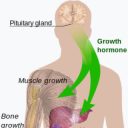
| Human growth hormone (HGH), also known as somatotropin, is a peptide hormone primarily produced by the anterior pituitary gland. It plays a crucial role in childhood growth and development, stimulating cell growth and reproduction in most tissues, particularly bone and muscle. In adults, HGH continues to regulate body composition, metabolism, and cell regeneration, although its impact is less dramatic. Deficiencies can lead to growth retardation in children and metabolic issues in adults, while excess HGH can cause acromegaly or gigantism. Human growth hormone (HGH), also known as somatotropin, is a peptide hormone that stimulates growth, cell reproduction, and cell regeneration in humans and other animals. It is produced by the somatotroph cells within the lateral wings of the anterior pituitary gland.
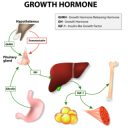
Here's a breakdown of key aspects of HGH:- Functions: HGH plays a crucial role in childhood growth, stimulating the liver to produce insulin-like growth factor 1 (IGF-1), which then promotes bone and muscle growth. In adults, HGH continues to play a role in maintaining muscle mass, bone density, and overall metabolism. It also affects various metabolic processes including carbohydrate, lipid, and protein metabolism.
- Production and Regulation: HGH production is regulated by the hypothalamus, which releases growth hormone-releasing hormone (GHRH) to stimulate HGH release and somatostatin to inhibit it. Sleep, exercise, stress, and nutrition all influence HGH levels.
- Deficiency: Growth hormone deficiency (GHD) can lead to short stature in children and decreased muscle mass, increased body fat, and reduced bone density in adults. Treatment involves HGH replacement therapy.
- Excess: Excess HGH, often due to a pituitary adenoma (tumor), can cause gigantism in children and acromegaly in adults, characterized by enlarged hands, feet, and facial features.
- Therapeutic Use: Recombinant human growth hormone (rHGH) is a synthetic version of HGH used to treat GHD, Turner syndrome, and other conditions. However, its use is strictly regulated due to potential side effects. Its use for anti-aging or athletic performance enhancement is controversial and often considered unethical and potentially harmful.
- Side Effects (of rHGH): Potential side effects of rHGH therapy can include joint pain, carpal tunnel syndrome, fluid retention, and increased risk of certain cancers.
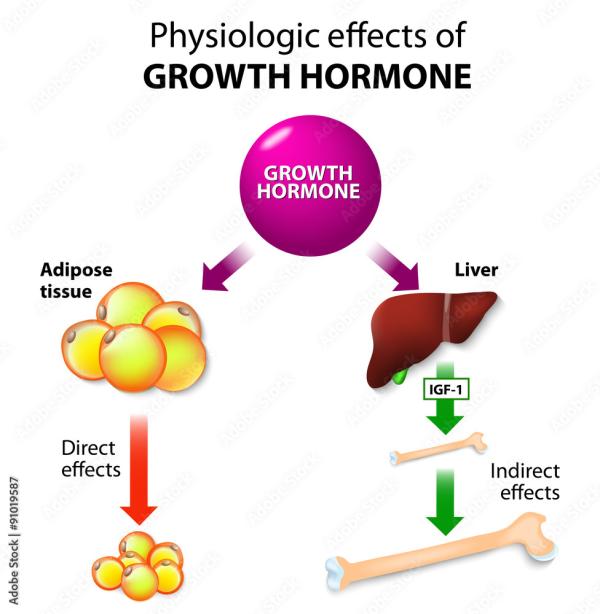
In short, HGH is a vital hormone with significant effects throughout life, but its use requires careful medical supervision.
|