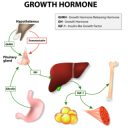
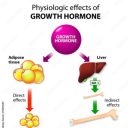
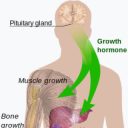
| Growth hormone deficiency (GHD) replacement therapy involves administering synthetic human growth hormone (somatropin) via daily injections or, in some cases, weekly injections. The goal is to mimic the body's natural production of growth hormone, promoting growth and development in children and improving body composition, metabolic function, and overall well-being in adults. Dosage is individualized based on age, severity of deficiency, and response to treatment, requiring regular monitoring by a physician.

Growth hormone deficiency (GHD) replacement therapy aims to restore normal growth hormone (GH) levels. The primary method is recombinant human growth hormone (rhGH) therapy. This involves injecting a synthetic version of GH that's bioidentical to the naturally occurring hormone.
Several factors influence the specifics of the therapy:
- Dosage: The dose of rhGH is individualized based on age, body weight, and response to treatment. It's typically administered daily via subcutaneous injection.
- Route of Administration: Subcutaneous injections are the standard method, though some formulations may be available for other routes.
- Monitoring: Regular monitoring is crucial to assess growth and adjust dosage as needed. This typically includes measuring height, weight, IGF-1 levels (a hormone produced in response to GH), and other relevant parameters. Bone age assessment may also be used.
- Duration: Treatment generally continues until the individual reaches their expected adult height (in children) or until the underlying cause of GHD is addressed (if applicable). In adults, treatment may be lifelong depending on the severity and nature of the deficiency.
- Potential Side Effects: While generally safe, rhGH therapy can have side effects, including: fluid retention, joint pain, carpal tunnel syndrome, hyperglycemia, and increased risk of certain cancers (although this risk is considered low).
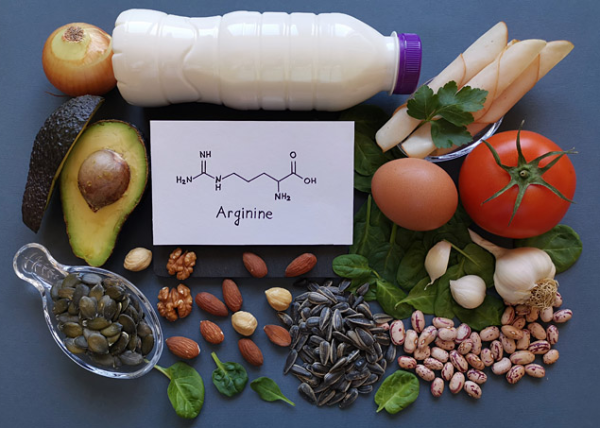
Foods that support growth hormone production are generally those rich in protein, such as lean meats, fish, poultry, eggs, and dairy products. Adequate intake of healthy fats, found in sources like avocados, nuts, and olive oil, is also important. Furthermore, maintaining a balanced diet with sufficient amounts of essential nutrients like zinc, arginine, and glutamine, found in various fruits, vegetables, and whole grains, can contribute to optimal growth hormone production. However, it's crucial to note that no single food magically boosts growth hormone; a balanced and healthy diet, coupled with adequate sleep and exercise, is key.
|