| Risk factors for endometrial cancer include older age, obesity, prolonged estrogen exposure (e.g., early menarche, late menopause, nulliparity, infertility treatments), polycystic ovary syndrome (PCOS), a family history of endometrial, breast, ovarian, or colon cancer, Lynch syndrome (hereditary nonpolyposis colorectal cancer), diabetes, hypertension, and use of tamoxifen. Factors that may offer some protection include regular physical activity and a diet rich in fruits and vegetables.
Risk factors for endometrial cancer can be broadly categorized into modifiable and non-modifiable factors.
Non-modifiable risk factors (factors you can't change): - Age: The risk significantly increases with age, with most cases diagnosed after age 50.
- Genetics/Family history: A family history of endometrial cancer, particularly in first-degree relatives (mother, sister, daughter), increases the risk. Specific gene mutations (like Lynch syndrome) significantly elevate risk.
- Race/Ethnicity: White women have a higher risk than women of other races.
- Personal history of certain cancers: Having a history of breast, ovarian, or colorectal cancer can increase the risk.
Modifiable risk factors (factors you can potentially influence): - Obesity: This is a major risk factor, likely due to increased estrogen production.
- Early Menarche (first menstrual period) and late menopause: Longer exposure to estrogen over a lifetime increases risk.
- Nulliparity (never having given birth): Women who have never been pregnant have a slightly higher risk.
- Tamoxifen use: This drug, used to treat breast cancer, can increase the risk of endometrial cancer.
- Diabetes: Diabetes is associated with increased risk, possibly related to insulin resistance and increased estrogen levels.
- Hypertension (high blood pressure): Some studies suggest a link between hypertension and increased endometrial cancer risk.
- Use of hormone replacement therapy (HRT): Unopposed estrogen (estrogen without progesterone) in HRT significantly increases the risk. Combined HRT carries a lower, but still elevated, risk.
It's important to note that having one or more risk factors doesn't guarantee you'll develop endometrial cancer. Many women with risk factors never develop the disease. Conversely, some women with no known risk factors do develop the disease. This highlights the complexity of cancer development and the importance of regular screenings and consultations with healthcare professionals. 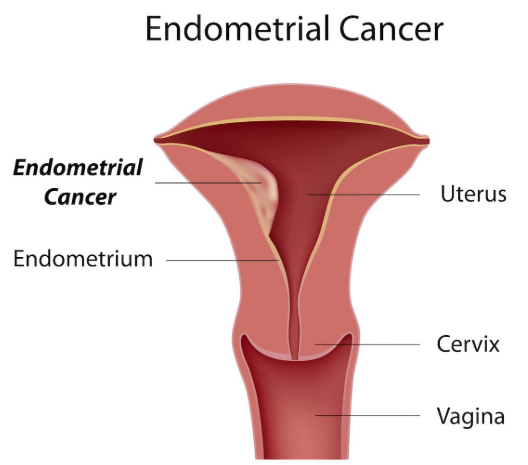
|