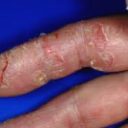
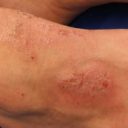
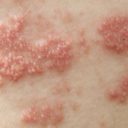
| Distinguishing between psoriasis and eczema in babies can be challenging, as both cause itchy, inflamed skin. Eczema (atopic dermatitis) typically presents with intensely itchy, red, dry patches, often in the creases of elbows and knees, and may weep or crust. Psoriasis, while less common in infants, might show up as salmon-pink, scaly plaques, often on the scalp, but can also appear on the trunk and limbs. A definitive diagnosis requires a dermatologist's examination, as treatment differs significantly between the two conditions. 
Differentiating between psoriasis and eczema in babies can be challenging, as both conditions cause itchy, inflamed skin. However, there are key differences to look for:
Eczema (Atopic Dermatitis): - Most common: Eczema is far more prevalent in infants than psoriasis.
- Appearance: Often presents as dry, red, itchy patches, frequently on the face, scalp, elbows, and knees. It can weep or crust. The rash may look more "weepy" than scaly.
- Location: Typically affects flexural areas (inside of elbows and knees, creases of the neck).
- Onset: Usually begins in infancy, often within the first few months of life.
- Triggers: Allergens (food, dust mites, pet dander), irritants (soaps, detergents), stress, and climate changes are common triggers.
- Family history: Often runs in families with a history of allergies (hay fever, asthma).
Psoriasis: - Less common in infants: Psoriasis is less frequent in babies than eczema.
- Appearance: Characterized by raised, red, scaly plaques (patches). The scales are typically silvery-white and are thicker and drier than in eczema.
- Location: Can occur anywhere on the body, but often appears on the scalp, knees, elbows, and buttocks.
- Onset: Can begin at any age, but is rare in the first year of life.
- Triggers: Genetic predisposition, stress, infections, and certain medications can trigger or worsen psoriasis. It is often less sensitive to allergens than eczema.
- Family history: Often runs in families with a history of psoriasis.
Important Considerations: - Overlap: There can be overlap in symptoms, making diagnosis difficult.
- Professional Diagnosis: It's crucial to consult a pediatrician or dermatologist for accurate diagnosis. They will examine your baby's skin and may perform tests to rule out other conditions.
- Treatment: Treatment differs significantly between eczema and psoriasis. Eczema treatments often focus on moisturizing and managing inflammation, while psoriasis treatment might involve topical corticosteroids, light therapy, or other medications.
If you suspect your baby has either eczema or psoriasis: - Avoid harsh soaps and detergents: Use gentle, fragrance-free cleansers.
- Keep the skin moisturized: Apply a hypoallergenic moisturizer regularly.
- Keep nails short: Trim your baby's nails to minimize scratching.
- Dress your baby in soft, loose-fitting clothing: Avoid wool or other irritating fabrics.
- Seek professional help: A doctor can provide an accurate diagnosis and recommend appropriate treatment.
This information is for general knowledge and does not constitute medical advice. Always consult a healthcare professional for any concerns about your baby's health.
|