| Preventing and reducing swimmer's itch involves avoiding swimming in contaminated waters, particularly lakes and ponds known to have snails that harbor the parasite. Showering immediately after swimming helps wash away any larvae before they penetrate the skin. Towel-drying thoroughly is also crucial. Applying a thin layer of vinegar or rubbing alcohol to the skin after swimming may help kill any remaining larvae. Choosing swimming areas with lower snail populations and avoiding swimming during peak parasite activity times (warmer months) can also help minimize risk. 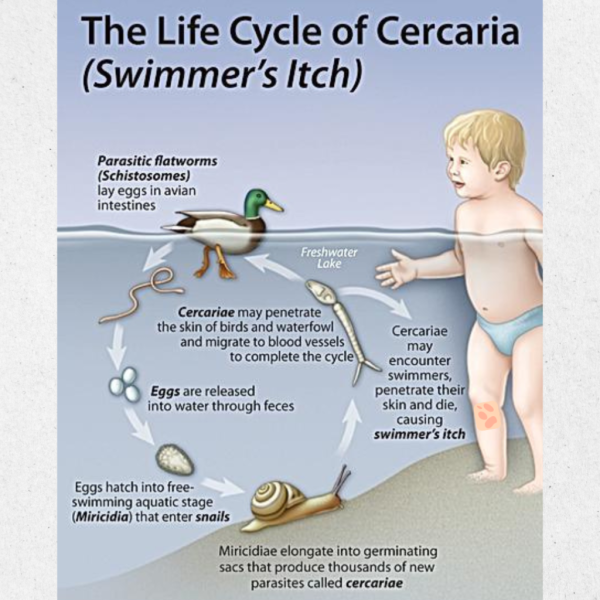
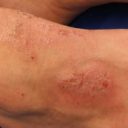
Swimmer's itch, also known as cercarial dermatitis, is an itchy rash caused by a parasitic worm. Preventing and reducing it involves minimizing contact with infected water and taking precautions when you do swim in potentially contaminated areas. Here's how:
Prevention: - Avoid swimming in known contaminated waters: Check local advisories for water quality reports before swimming in lakes, ponds, or slow-moving streams. Areas with a high concentration of birds or snails (intermediate hosts for the parasite) are more likely to be contaminated.
- Choose well-maintained swimming areas: Public beaches and pools that are regularly monitored and treated are less likely to have the parasite.
- Swim in areas with good water circulation: Fast-moving water is less likely to harbor the parasites.
- Towel dry immediately after swimming: This helps to prevent the larvae from penetrating your skin.
- Shower immediately after swimming: Thoroughly wash your body with soap and water to remove any larvae that may be on your skin.
- Avoid swimming during peak times: The parasitic larvae are more active during warmer months.
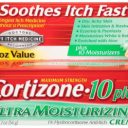
Reducing Severity (if you've already been exposed): - Apply a topical corticosteroid cream or lotion: This can help reduce itching and inflammation. You can purchase this over-the-counter or get a prescription from a doctor for stronger formulations.
- Take an oral antihistamine: These can also help reduce itching.
- Apply a cool compress: This can soothe irritated skin.
- Avoid scratching: Scratching can worsen the rash and lead to infection.
- Keep the affected area clean and dry: This helps to prevent secondary infections.
- Seek medical attention: If your symptoms are severe, widespread, or don't improve after a few days, see a doctor. They can prescribe stronger medications if needed.
Important Note: While these measures can significantly reduce your risk, complete prevention isn't always possible. If you are concerned about swimmer's itch, it's best to avoid swimming in bodies of water that are potentially contaminated.
|