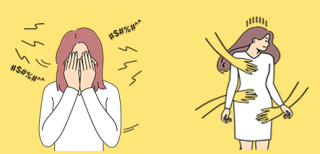
| Sexual harassment can be any unwelcome sexual advances, requests for sexual favors, and other verbal or physical harassment of a sexual nature. It can create a hostile work or learning environment and make you feel uncomfortable, intimidated, or afraid. Here are some common examples of sexual harassment that can occur in different forms: Visual - Leering, staring, or ogling in a sexual way
- Displaying sexually suggestive pictures or videos
Verbal - Making sexual comments or jokes
- Asking inappropriate questions about a person's sex life
- Using sexual name-calling or insults
- Spreading sexual rumors about someone
Physical - Touching, groping, or pinching someone in a sexual way
- Blocking or following someone in a way that makes them feel uncomfortable
- Unwanted kissing or hugging
- Intentionally exposing oneself
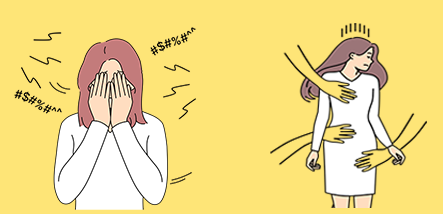
It's important to remember that sexual harassment can be subtle or even indirect. Here are some additional things to consider: - Severity: Even if the behavior seems minor, if it happens repeatedly or creates a hostile environment, it can be considered sexual harassment.
- Offender: Sexual harassment can come from anyone, including a co-worker, supervisor, client, customer, or even a stranger.
- Impact: How you feel about the behavior is what matters. If you feel uncomfortable, intimidated, or offended, then it is sexual harassment.
If you are experiencing sexual harassment, there are resources available to help you. You can report the harassment to a supervisor, human resources department, or legal authority. You can also contact a crisis hotline or support group. Here are some additional resources you can check out: Remember, you deserve to feel safe and respected. Don't be afraid to speak up if you're experiencing sexual harassment. |