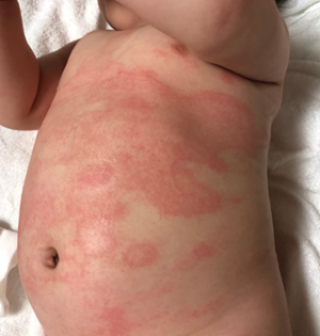
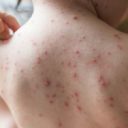
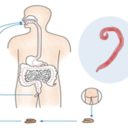
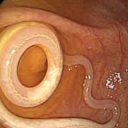
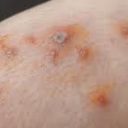
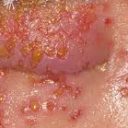
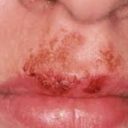
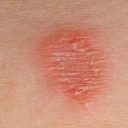
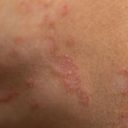
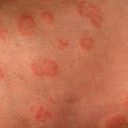
| Baby rashes can stem from various causes, including common irritants like detergents or drool, viral infections like roseola or hand, foot, and mouth disease, allergic reactions to foods or substances, or even diaper rash. Determining the cause requires observing the rash's appearance (color, texture, location), accompanying symptoms (fever, fussiness, etc.), and considering the baby's recent exposures. While many rashes are harmless and resolve on their own, persistent or concerning rashes warrant a pediatrician's evaluation to rule out serious conditions and receive appropriate treatment. 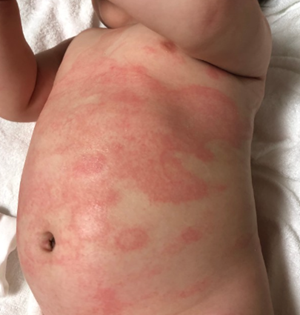
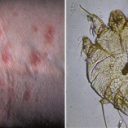
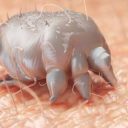
Distinguishing scabies from other rashes requires professional medical evaluation, as many skin conditions share similar symptoms like itching and a bumpy rash. However, scabies is characterized by intensely itchy, small, pimple-like bumps often found in the web spaces between fingers, on wrists, and around the groin. Other rashes may have different distributions, appearances (e.g., blisters, scaling), or associated symptoms (e.g., fever). If you suspect scabies or any concerning rash in your baby, contact your pediatrician immediately for proper diagnosis and treatment. Deciphering a baby's rash can be tricky, as many different conditions can cause them. It's crucial to remember that I am an AI and cannot diagnose medical conditions. If you're concerned about a rash on your baby, you must consult a pediatrician or other qualified healthcare professional. They can properly assess the rash and determine the cause and appropriate treatment.
However, I can offer some general information to help you describe the rash to your doctor:
To help your doctor, note the following: - Location: Where is the rash located? (face, body, diaper area, etc.) Is it widespread or localized?
- Appearance:
- Color: Red, pink, white, yellow, purple, etc.
- Texture: Bumpy, flat, raised, scaly, crusted, blistered, etc.
- Shape: Circular, linear, patchy, etc.
- Size: Small spots, large patches, etc.
- Symptoms: Besides the rash, is your baby experiencing any other symptoms such as fever, irritability, fussiness while feeding, diarrhea, vomiting, or difficulty breathing?
- Onset: When did the rash appear? Did anything specific happen before it appeared (new food, new detergent, exposure to a new environment, etc.)?
- Progression: Has the rash changed in appearance or severity since it first appeared?
Some common causes of baby rashes (but again, this is NOT a diagnosis): - Diaper rash: Usually occurs in the diaper area, often red, irritated, and possibly bumpy.
- Eczema (Atopic dermatitis): Dry, itchy, inflamed skin, often appearing on the face, scalp, and creases of the elbows and knees.
- Heat rash (Miliaria): Small, red bumps, often appearing in areas covered by clothing.
- Viral rashes (e.g., roseola, fifth disease, hand, foot, and mouth disease): Can present with various appearances and symptoms, often accompanied by fever.
- Allergic reactions: Can manifest as hives, redness, swelling, or other skin reactions.
- Infections: Bacterial or fungal infections can cause rashes.
Remember, this information is for general knowledge only. Do not attempt to self-diagnose or self-treat your baby's rash. Prompt medical attention is essential to ensure your baby receives appropriate care.
|