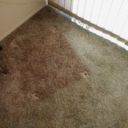
| Carpet shedding, the release of loose fibers, is a normal occurrence, especially in new carpets, due to the manufacturing process and the way fibers are tufted and bound. While some shedding is expected and diminishes over time with regular vacuuming, excessive shedding can indicate a problem with the carpet's construction or installation. Factors influencing shedding include fiber type (natural fibers tend to shed more initially), carpet density, and installation quality. To manage shedding, vacuum frequently using a strong suction vacuum cleaner, avoid harsh cleaning methods, and consider professional cleaning if the shedding is excessive or persistent. 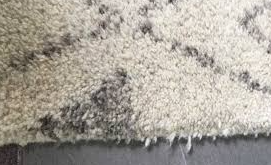
Carpet shedding is a common occurrence, especially with new carpets. It's the process where loose carpet fibers are released from the carpet's surface. Understanding what causes it and how to manage it is crucial for maintaining a clean and tidy home.
Here's a breakdown of what you need to know about carpet shedding: What Causes Carpet Shedding?- Manufacturing Process: During carpet manufacturing, fibers are often cut and glued or tufted. Excess fibers are left behind, which eventually work their way loose. This is most noticeable in new carpets and usually diminishes over time.
- Carpet Fiber Type: Certain fiber types are more prone to shedding than others. For example, nylon carpets are known for shedding less than wool carpets, which naturally shed more. However, even low-shedding carpets will experience some degree of shedding.
- Carpet Construction: The way a carpet is constructed influences shedding. Loop pile carpets tend to shed less than cut pile carpets because the fibers are looped and more securely fastened. However, loop pile carpets can pill (form small balls of fiber) instead of shedding.
- High Traffic Areas: Areas with heavy foot traffic experience more friction, accelerating the shedding process. Vacuuming frequently in these areas helps remove loose fibers.
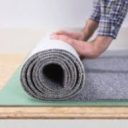
- Improper Installation: Poor installation can cause excessive shedding. If the carpet isn't stretched and secured properly, fibers can easily come loose.
Is Shedding Normal?Yes, a certain amount of shedding is normal, especially for new carpets. Excessive shedding, however, might indicate a problem with the carpet's quality or installation.
How to Manage Carpet Shedding: - Vacuum Frequently: Regular vacuuming is the most effective way to remove loose fibers. Use a vacuum with a strong suction and consider using a vacuum attachment designed for carpets. Vacuum in multiple directions to remove loose fibers effectively.
- Be Patient: Most shedding will decrease significantly after a few months of regular vacuuming.
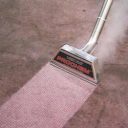
- Professional Cleaning: A professional carpet cleaning can help remove excess fibers and improve the carpet's appearance.
- Address Underlying Issues: If shedding persists after several months of regular vacuuming and professional cleaning, there may be a problem with the carpet's installation or quality. Contact the carpet installer or manufacturer.
- Use Carpet Protector: A carpet protector can help prevent excessive wear and tear, reducing shedding in high-traffic areas.
When to Worry:Persistent and excessive shedding, especially after several months, might indicate a manufacturing defect or improper installation. In this case, contact the retailer or manufacturer for assistance.
By understanding the causes and management strategies of carpet shedding, you can keep your carpet looking its best for years to come. Remember that some shedding is normal, but excessive shedding warrants further investigation.
|