| Whether to treat both eyes simultaneously during LASIK surgery is a matter of surgeon preference and patient comfort. While simultaneous treatment is faster and more convenient, some surgeons prefer a staged approach (one eye at a time) to allow for better assessment of the first eye's healing and visual outcome before proceeding with the second. Ultimately, the best approach depends on individual circumstances and a discussion with your ophthalmologist to determine the safest and most effective method for you. 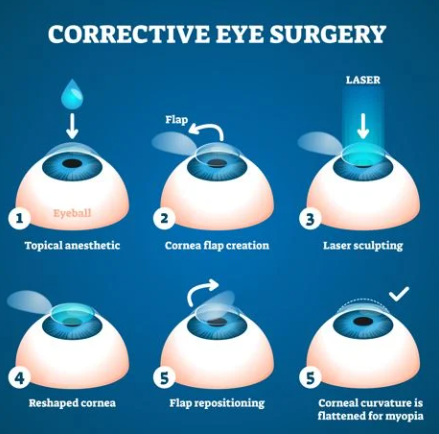
Whether you should treat both eyes simultaneously during LASIK surgery is a question with no single right answer. It depends on several factors and is ultimately a decision made in consultation with your ophthalmologist. Arguments for simultaneous treatment:- Efficiency and Convenience: Having both eyes done at once means only one surgery, one recovery period, and less time off work or other commitments.
- Faster Visual Recovery: While individual recovery varies, many patients report faster overall visual recovery with bilateral surgery. The brain adapts more quickly when both eyes receive corrected vision simultaneously.
- Consistency: Treating both eyes at the same time ensures a higher likelihood of symmetrical results.
Arguments against simultaneous treatment:- Increased Risk: Although rare, the risk of complications is technically doubled when both eyes are operated on simultaneously. If a complication arises in one eye, the surgeon can immediately address it without delaying the other.
- Managing Potential Complications: If a complication develops in one eye, it can be more challenging to manage while simultaneously recovering from a second procedure.
- Patient Preference and Anxiety: Some patients feel more comfortable having one eye treated at a time, which can reduce anxiety and stress.
Ultimately, the decision rests on:- Your ophthalmologist's recommendation: Your doctor will assess your individual eye health, the severity of your refractive error, and your overall health to determine the best approach.
- Your personal preferences and comfort level: Open and honest communication with your surgeon is crucial. Discuss your concerns and preferences to arrive at the best decision for you.
- The availability of the surgeon and your schedule.
In summary, while simultaneous bilateral LASIK is often preferred for its efficiency and potential for faster recovery, the decision should be a collaborative one between you and your ophthalmologist, weighing the potential benefits and risks based on your specific circumstances.
|