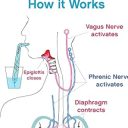
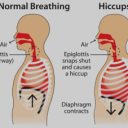
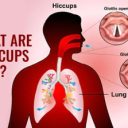
| Hiccups, those annoying involuntary spasms of the diaphragm, can often be stopped by controlling your breath. Several techniques involve slow, deep breaths, holding your breath for a short count, or breathing into a paper bag (though this last method should be used cautiously and only for a short time). The key is to disrupt the irregular breathing pattern causing the hiccups by consciously changing your respiratory rhythm. 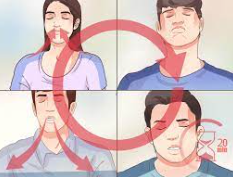
Hiccups, those annoying involuntary spasms of your diaphragm, can be surprisingly stubborn. While there's no guaranteed cure, breath control techniques are often effective in interrupting the hiccup cycle. Here's how breath control can help banish hiccups:
Techniques to Try: - Slow, Deep Breaths: Consciously slow down your breathing rate. Take deep, slow breaths, focusing on inhaling fully and exhaling completely. Try inhaling for a count of 4, holding for a count of 2, and exhaling for a count of 4. Repeat several times. The rhythmic breathing can help reset your diaphragm.
- Breath Holding: Take a deep breath, hold it for as long as you comfortably can (don't strain!), and then slowly exhale. Repeat this several times. The change in oxygen levels might disrupt the hiccup pattern.
- Paper Bag Breathing (Use with Caution): This method is controversial. Some believe rebreathing carbon dioxide helps, but others warn against potential risks. If you choose to try this, use a clean paper bag and take short, shallow breaths in and out of the bag for a short time only. Stop immediately if you feel dizzy or lightheaded. This is not recommended for people with respiratory problems.
- Controlled Exhalation: Inhale deeply, then exhale slowly and completely, making the exhalation last significantly longer than the inhalation. You can try humming or sighing during exhalation to further control your breath.
Important Considerations: - Relaxation: Stress can exacerbate hiccups. Try to relax your body and mind while performing these breathing exercises.
- Consistency: It might take some time to find the technique that works best for you. Be patient and persistent.
- Hydration: Dehydration can sometimes trigger hiccups. Drink some water slowly.
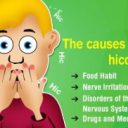
- Medical Attention: If your hiccups persist for more than 48 hours, are severe, or accompanied by other symptoms, consult a doctor. Persistent hiccups can sometimes indicate an underlying medical condition.
Breath control is a safe and often effective first-line approach to treating hiccups. By consciously controlling your breathing, you can often interrupt the cycle and find relief. Remember to listen to your body and stop if any technique causes discomfort.
|