1. General and Systemic EffectsEnergy Levels and Fatigue- Cumulative Onset: Fatigue is the most common general side effect, typically worsening in the later weeks of treatment as the cumulative effect of radiation impacts healthy cell repair.
- Activity Balance: While adequate rest is necessary for physical recovery, prolonged bed rest can actually worsen fatigue. Doctors generally recommend maintaining a light, consistent routine of physical activity, such as walking, to help sustain energy levels and improve sleep quality.
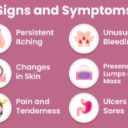
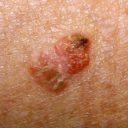
2. Dermatological Changes (Radiation Dermatitis)Surface Skin ReactionsRadiation beams passing through the lower abdomen affect the surrounding skin cells, leading to localized reactions similar to a sunburn. - Acute Symptoms: The skin in the treated area often becomes red, irritated, tender, dry, and intensely itchy.
- Hyperpigmentation: Over time, the skin may undergo permanent color changes, resulting in a darker, tanned, or "bronzed" appearance in the direct line of treatment.
- Skin Care Considerations: Patients are typically advised to use mild soaps, wear loose-fitting clothing to minimize friction, and avoid applying non-approved lotions or exposes the area to direct sunlight.
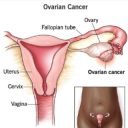
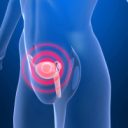
3. Gastrointestinal and Urinary Tract ComplicationsBecause radiation for ovarian cancer targets the pelvic region and lower abdomen, nearby internal organs—specifically the stomach, intestines, and bladder—can become inflamed. Gastrointestinal Symptoms- Nausea and Vomiting: Occurs due to radiation exposure to the abdominal tissue.
- Diarrhea and Cramping: Irritation of the intestinal lining (radiation enteritis) can speed up digestion and prevent proper fluid absorption.
Urinary Symptoms- Urinary Discomfort: Irritation of the bladder lining (radiation cystitis) may cause burning sensations during urination, increased frequency, or a persistent urge to urinate.
Medical and Symptom Management- Dietary Adjustments: Low-fiber diets, eating smaller and more frequent meals, and staying well-hydrated can significantly reduce bowel and stomach irritation.
- Medications: Physicians frequently prescribe anti-nausea drugs (antiemetics), antidiarrheal medications, or bladder-soothing agents to control these symptoms effectively during the course of therapy.
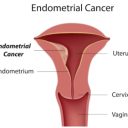
4. Sexual and Reproductive Side EffectsRadiation directed at the pelvis affects the delicate tissues of the reproductive tract, leading to short-term discomfort and potential long-term changes. Vaginal and Tissue Irritation- Dryness and Soreness: Radiation can damage the mucous membranes of the vagina, causing inflammation, dryness, and tissue sensitivity.
- Intercourse Restrictions: Women are often advised to abstain from sexual intercourse during active radiation treatment to allow inflamed tissues to heal and prevent pain or infection.
Long-Term Sexual Health- Resuming Sexual Activity: Most women can comfortably resume intimacy a few weeks after treatment concludes, once acute tissue inflammation subsides.
- Long-Term Adaptations: To manage lasting dryness or scarring (vaginal stenosis), healthcare providers may recommend vaginal moisturizers, water-based lubricants, or the use of vaginal dilators to maintain elasticity and comfort.
|