HOME Health Radiation Therapy Liver cancer Chemotherapy Stomach Cancer Hepatocellular Carcinoma Health Awareness Helicobacter Pylori Prevention Targeted Therapy Early detection Steroid use Anabolic steroids Aspergillus Liver health Weakened Immune System Metastatic Liver Cancer Stomach Cancer Treatment Hepatitis B Healthcare Decisions Liver Cancer Treatment Vinyl chloride Thorium dioxide Stomach Cancer Surgery Oral Contraceptives Nutritional Deficiencies Genetic disorders High Salt Intake Gastric Cancer Angiosarcoma Hepatitis H. pylori Aging Tobacco Chronic Inflammation 간암 Cirrhosis Birth Control Pills Stomach Lining Alcohol abuse Pernicious Anemia 담배 Stomach Cancer Prevention Pharmaceutical Innovation Alchol Consumption Cholangiocarcinoma Biological Therapy Mold Contamination Stomach Surgery Reproductive Health Flu-like Symptoms Public Health Occupational Exposure Smoked Foods Screening HCV Contaminated Food Stomach Cancer Risk Metaplasia Liver Anatomy Viral hepatitis Stomach Cancer Symptoms Hepatitis C Aflatoxin Contamination Helicobacter pylori Infection Processed Meats Contaminated Drinking Water Lyumph Nodes Accumulated DNA Damage Aflatoxin Occupational Health

간암.ZIP

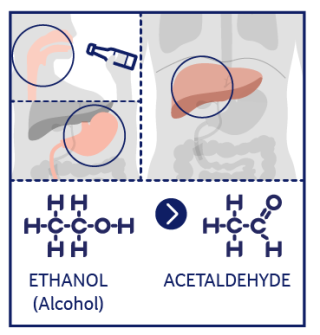
The Looming Threat: Stomach Cancer and its Ties to Tobacco and Alcohol Abuse

The Looming Threat: Stomach Cancer and its Ties to Tobacco and Alcohol Abuse  

created at May 04, 2009   1,266  
Stomach cancer,a significant global health concern,is strongly linked to both tobacco and alcohol abuse.Smoking damages the stomach lining,increasing the risk of inflammation and precancerous changes,while excessive alcohol consumption irritates the stomac...

The Silent Threat: Arsenic and its Link to Liver Cancer

The Silent Threat: Arsenic and its Link to Liver Cancer  

created at May 04, 2009   1,203  
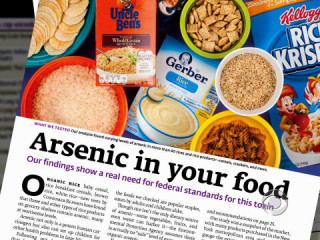
Arsenic,a naturally occurring element found in soil and water,poses a significant threat to global health,particularly regarding liver cancer.Chronic exposure to arsenic,even at low levels,through contaminated drinking water or food,can lead to the accumul...

Balancing Act: Understanding the Side Effects of Biological Therapy in Stomach Cancer Treatment

Balancing Act: Understanding the Side Effects of Biological Therapy in Stomach Cancer Treatment  

created at May 04, 2009   1,194  
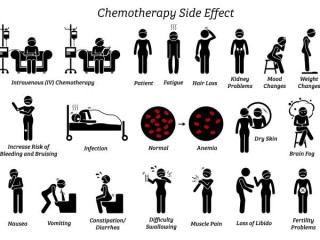
Biological therapy for stomach cancer,while offering potential benefits,can also cause various side effects,ranging in severity.Common side effects include fatigue,fever,chills,nausea,vomiting,diarrhea,skin rashes,and decreased appetite.More serious,though...

Precision and Progress: Navigating Surgery as a Primary Treatment for Stomach Cancer  

updated at Nov 13, 2025   1,281  
Surgery is a primary treatment for stomach cancer,with options ranging from total gastrectomy (complete stomach removal) to subtotal gastrectomy (partial removal),determined by tumor location and requiring precise execution to balance cancer elimination wi...

Unveiling the Link: Anabolic Steroids and Liver Cancer Risk

Unveiling the Link: Anabolic Steroids and Liver Cancer Risk  

updated at Nov 30, 2024   1,246  
Studies have shown a link between anabolic steroid use and an increased risk of liver cancer,although the exact nature and strength of this association remain subjects of ongoing research.The risk appears to be dose-dependent and may be further influenced ...

Unveiling the Link: Helicobacter pylori Infection and the Risk of Stomach Cancer

Unveiling the Link: Helicobacter pylori Infection and the Risk of Stomach Cancer  

updated at Nov 14, 2025   1,189  
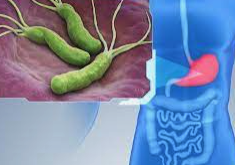
Helicobacter pylori: A Key Risk FactorHelicobacter pylori (H.pylori) is a prevalent bacterium strongly linked to various stomach ailments,most notably,an increased risk of stomach cancer.This common infection,when left untreated,can lead to serious and pot...

How Previous Stomach Surgery Might Increase Stomach Cancer Risk

How Previous Stomach Surgery Might Increase Stomach Cancer Risk  

created at May 04, 2009   1,216  
Previous stomach surgery,particularly procedures that significantly alter stomach anatomy or function like gastrectomy (partial or total stomach removal) or bariatric surgery (e.g.gastric bypass,sleeve gastrectomy),can increase stomach cancer risk.These su...

The Link Between Diet and Stomach Cancer

The Link Between Diet and Stomach Cancer  

created at May 04, 2009   1,239  
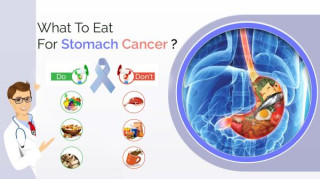
Diet plays a significant role in stomach cancer risk.A diet high in processed meats,salted or pickled foods,and low in fruits and vegetables is associated with an increased risk.Conversely,diets rich in fruits,vegetables,and fiber,particularly those contai...

Understanding the Risks Between Aging and Stomach Cancer

Understanding the Risks Between Aging and Stomach Cancer  

created at May 04, 2009   1,191  
The risk of stomach cancer increases significantly with age,primarily due to the cumulative effect of various factors over a lifetime.These include exposure to carcinogenic substances (like Helicobacter Pylori Infection,smoked foods,and tobacco),the gradua...

Treatment for Liver Cancer? What should I ask?

Treatment for Liver Cancer? What should I ask?  

created at May 04, 2009   1,176  
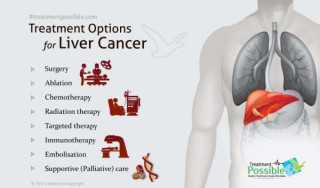
When discussing liver cancer treatment options with a healthcare professional,ask about the specific type and stage of your cancer,the different treatment approaches available (surgery,chemotherapy,radiation therapy,targeted therapy,immunotherapy,ablation,...

Exploring the Relationship Between Birth Control Pills and Liver Cancer Risk

Exploring the Relationship Between Birth Control Pills and Liver Cancer Risk  

created at May 04, 2009   1,214  
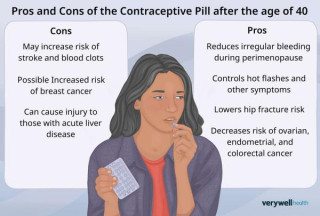
Studies have shown a slightly increased risk of developing liver cancer in women who use oral contraceptives,particularly those who use them for a long time or at high doses.However,this increased risk is relatively small compared to other risk factors for...

Understanding the Link: Vinyl Chloride, Thorium Dioxide, and Liver Cancer Risk  

updated at Nov 13, 2025   1,475  
Vinyl Chloride and Thorium Dioxide: Hidden DangersVinyl chloride,vital in plastics production,and thorium dioxide (Thorotrast),historically used in medical imaging,are known carcinogens.Extended exposure,whether through occupational settings or medical pro...

Understanding the Link: Cirrhosis and Liver Cancer Risk

Understanding the Link: Cirrhosis and Liver Cancer Risk  

updated at Nov 29, 2024   1,448  
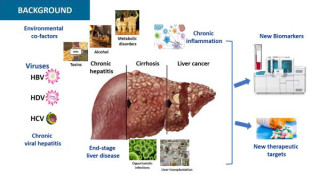
Cirrhosis,a late stage of scarring (fibrosis) of the liver,significantly increases the risk of developing liver cancer (hepatocellular carcinoma).The chronic inflammation and damage caused by cirrhosis create an environment conducive to the development of ...

Aflatoxin: Unveiling the Hidden Threat to Liver Health

Aflatoxin: Unveiling the Hidden Threat to Liver Health  

updated at Nov 08, 2025   1,275  
Aflatoxins are potent mycotoxins produced by certain Aspergillus fungi species,presenting a significant threat to liver health.These toxins commonly contaminate improperly stored grains,nuts,and other agricultural products. Aflatoxins and Their SourcesAfla...

Unraveling the Connection: Viral Hepatitis and Liver Cancer Risk

Unraveling the Connection: Viral Hepatitis and Liver Cancer Risk  

created at May 04, 2009   1,292  
Chronic infection with hepatitis B (HBV) and hepatitis C (HCV) viruses are major risk factors for liver cancer,specifically hepatocellular carcinoma (HCC).These viruses cause long-term liver inflammation and damage,leading to cirrhosis (scarring of the liv...

Demystifying Liver Cancer: Understanding the Basics

Demystifying Liver Cancer: Understanding the Basics  

created at May 04, 2009   1,220  
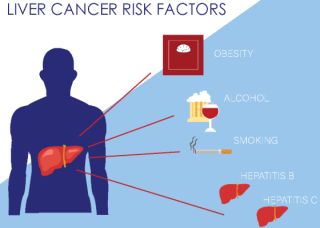
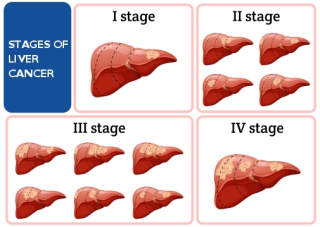
Liver cancer,primarily hepatocellular carcinoma (HCC),develops when healthy liver cells become cancerous,often due to long-term liver damage from conditions like hepatitis B or C,alcohol abuse,non-alcoholic fatty liver disease (NAFLD),and certain genetic d...

The basic information for Stomach cancer

The basic information for Stomach cancer  

created at May 03, 2009   1,270  
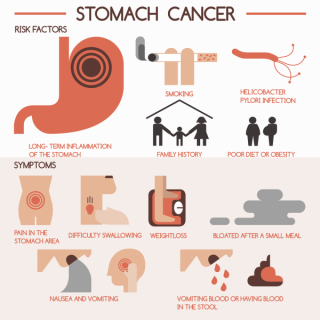
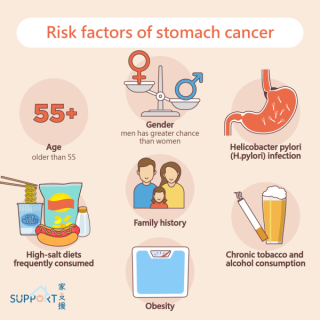
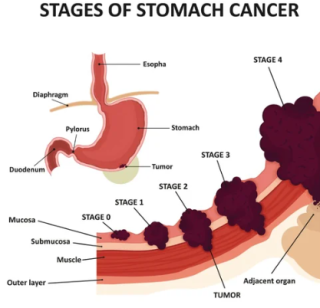
Stomach cancer,also known as gastric cancer,is a malignant tumor that arises in the lining of the stomach.It's a relatively common cancer globally,with variations in incidence rates depending on geographic location and dietary factors.Risk factors include ...