HOME Health Genetic Aspect Lyme Disease Vulvar Cancer Liver cancer Valva Cancer Spirochete bacteria Blood meal Borrelia Burgdorferi Chronic Sinusitis Breast Tissue Breast Self-Exam Sexual dysfunction Breast Exam Lyme Borreliosis Sinus Infections Rubbing Alcohol Label instructions Poor sleep pattern Medical Treatment Lyme Disease Stages Breast Lump Exhale Vaseline Lyme Disease Treatment National Cancer Institute Cirrhosis Liver health White-Footed Mouse Leg Swelling Otolaryngologist Plastic Surgery Walking Anatomical Obstruction Borrelia Sinus PTLDS Bacterium Infected Tick Mammograms Stool Vulvar Surgery Lyme disease Rash Curative Surgery Lxodes ricinus Female Organs Lyme Disease Diagnosis Colone-Rectal Cancer Tropical Acne Medication Chronic Atrophic Gastritis Travel History Mammals Erythema Migrans Borrelia Afzelii Pelvic Extenteration Lyme Disease Prevention External beam radiation Lithium Borrelia Bacteria Pretreatment counselling Liver Dermacentor Variabilis Physician Disfigurment Prevention Recurrent Infections Lymphedema Bone Pelvis Sphenoid Lifelong Anatomic Alterations

LABEL INSTRUCTIONS.ZIP

How to remove Attached Ticks ?  

updated at   1,782  
Prompt tick removal is crucial,as it significantly reduces the likelihood of contracting Lyme disease or other tick-borne illnesses.This article outlines the safest and most effective method for removing attached ticks. The Tweezers Method: Your Best BetTh...
Treatment for Lyme disease

Treatment for Lyme disease  

updated at   1,536  
Lyme disease is treated with antibiotics,typically doxycycline,amoxicillin,or cefuroxime for adults,and amoxicillin or cefuroxime for children.The duration of treatment depends on the stage of the infection and the individual's response,ranging from a few ...

Sinus Surgery: When Is It Necessary?  

updated at   1,639  
A small subset of individuals suffering from chronic sinusitis may find themselves unresponsive to even the most comprehensive medical treatments.Research suggests that,among patients managed by allergists specializing in chronic sinusitis,this figure fall...

Why do I have to keep my nose clear? I can breathe through my mouth.

Why do I have to keep my nose clear? I can breathe through my mouth.  

created at   1,544  
While you can breathe through your mouth,relying solely on it is less efficient and can lead to dryness and irritation.Your nose filters,warms,and humidifies the air you breathe,protecting your lungs from irritants and pathogens.Keeping your nose clear ens...

Can Lyme Disease be prevented?

Can Lyme Disease be prevented?  

updated at   1,588  
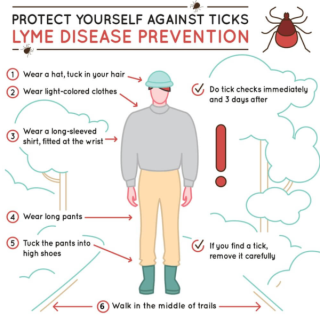
Lyme disease prevention primarily focuses on avoiding tick bites.This can be achieved through wearing long sleeves and pants when in tick-infested areas,using insect repellents containing DEET or picaridin,performing thorough tick checks after being outdoo...

Is Lyme disease a New Illness?  

updated at   2,039  
Is Lyme Disease a New Illness?Lyme disease is not a new illness.Although formally identified and named in 1975 following an outbreak in Lyme,Connecticut,evidence indicates that the disease has likely been present for centuries. Historical PresenceHistorica...

What is the treatment for Lyme disease?  

updated at   1,409  
Key Points about Lyme Disease Treatment?:Antibiotics are the Primary Treatment: The standard treatment for Lyme disease is with antibiotics.Early Treatment is Crucial: Antibiotics are most effective when started as early as possible after infection.Prompt ...

What are the commonest Lyme Disease Symptoms at onset?  

updated at   1,901  
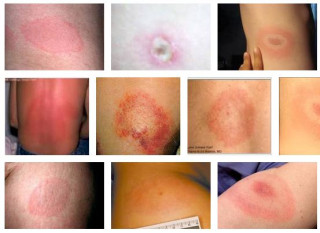
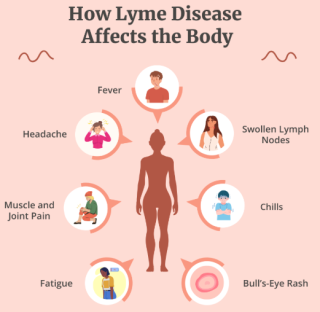
Lyme disease,transmitted through tick bites,can present with a range of early symptoms.Recognizing these signs is crucial for timely diagnosis and treatment.Symptoms typically appear within 3 to 30 days after a tick bite. Characteristic Lyme Rash (Erythema...

How does Lyme Disease start?  

updated at   1,700  
Lyme disease is an infectious disease caused by a spiral-shaped bacterium of the *Borrelia* genus,which is transmitted to humans through the bite of infected ticks.In the early stages of the disease,symptoms include fever,headache,fatigue,and a characteris...

How does Lyme disease infection occur?

How does Lyme disease infection occur?  

updated at   1,598  
Lyme disease infection occurs through the bite of an infected blacklegged tick (also known as a deer tick).These ticks acquire the bacteria,*Borrelia burgdorferi*,by feeding on infected animals like mice,deer,and squirrels.The bacteria then transmits to hu...

What is Lyme Disease?

What is Lyme Disease?  

updated at   1,673  
Lyme disease is a bacterial infection transmitted to humans through the bite of infected blacklegged ticks.The bacteria responsible is Borrelia Burgdorferi (and in some areas,related species). If left untreated,the infection can spread to joints,the heart,...

Side effects of Vulvar Cancer Surgery  

updated at   1,873  
Curative surgery for vulvar cancer,while potentially life-saving,can have significant and lasting side effects,both psychological and physical.These consequences can impact a patient's quality of life and require comprehensive pre-treatment counseling and ...

Understanding the Link: Cirrhosis and Liver Cancer Risk

Understanding the Link: Cirrhosis and Liver Cancer Risk  

updated at   1,952  
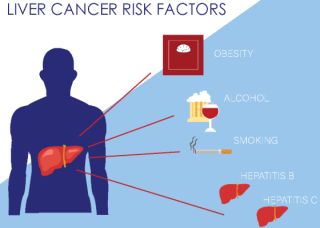
Cirrhosis,a late stage of scarring (fibrosis) of the liver,significantly increases the risk of developing liver cancer (hepatocellular carcinoma).The chronic inflammation and damage caused by cirrhosis create an environment conducive to the development of ...

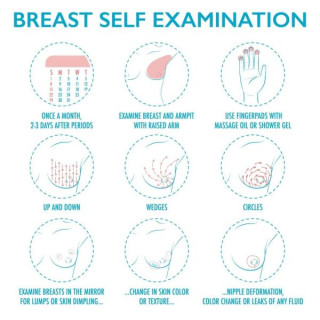
What should I do if I find a lump while performing a monthly breast self-exam?

What should I do if I find a lump while performing a monthly breast self-exam?  

updated at   1,518  
Finding a lump during a breast self-exam doesn't automatically mean it's cancerous,but it's crucial to seek professional medical attention immediately.Schedule an appointment with your doctor or gynecologist as soon as possible to have the lump evaluated.T...