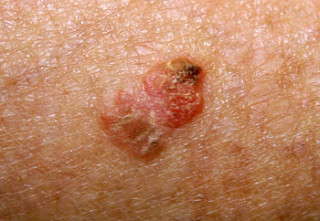
Vulvar Intraepithelial Neoplasia as Risk Factors for Vulvar Cancerupdated at 1,753 Vulvar intraepithelial neoplasia (VIN) represents the abnormal growth of cells within the vulvar epithelium.It's classified as a precancerous condition, |
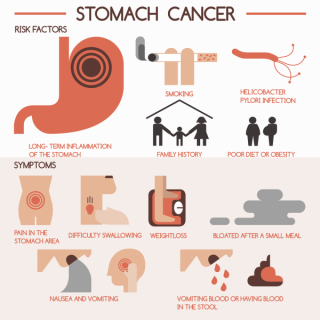
How Previous Stomach Surgery Might Increase Stomach Cancer Riskupdated at 1,528 Previous stomach surgery, |
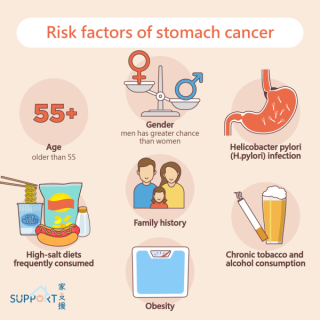
Understanding the Risks Between Aging and Stomach Cancerupdated at 1,500 The risk of stomach cancer increases significantly with age, |
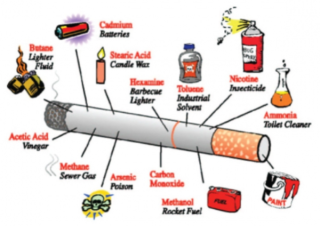
Tobacco as risk factors for vulvar cancerupdated at 1,414 While not a direct cause, |
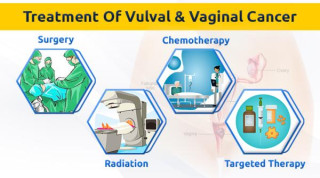
Exploring Three Vulvar Cancer Treatmentsupdated at 1,458 Three common treatments for vulvar cancer include surgery, |
Treatment for precancerous lesionsupdated at 1,749 Treatment for precancerous lesions depends on several factors including the specific type of lesion, |
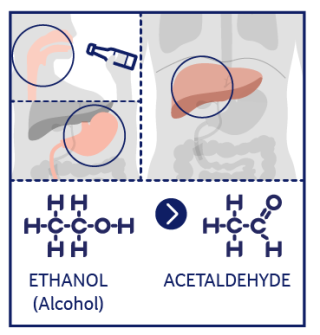
The Looming Threat: Stomach Cancer and its Ties to Tobacco and Alcohol Abuseupdated at 1,580 Stomach cancer, |
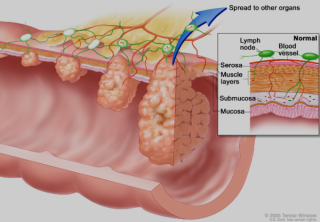
Understanding Colorectal Cancer: A Vital Insightupdated at 1,680 Colorectal cancer, |
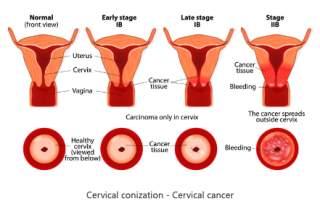
Precision and Clarity: Unraveling the Significance of Conization in Cervical Cancer Diagnosisupdated at 1,696 Conization, |
Listening to Your Body: Understanding the Symptoms of Cervical Cancerupdated at 1,670 Cervical cancer often begins as precancerous changes that quietly develop without causing pain or noticeable symptoms. In fact, |
Empowering Women's Health: Early Detection of Cervical Cancer"updated at 1,475 Prioritizing regular pelvic exams and Pap tests emerges as a powerful strategy for the early detection and prevention of cervical cancer. These essential screenings play a pivotal role in identifying precancerous conditions, |
How do I read my Pap smear results so that I can understand them?updated at 1,821 Results Description Follow-up Within Normal Limits No abnormal cells detected. Return for pelvic exam and Pap test in one year. Atypia Cells of Uncertain Significance ASCUS Some cells show a few chan... |
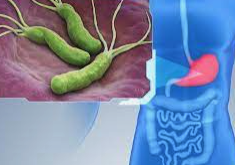
Unveiling the Link: Helicobacter pylori Infection and the Risk of Stomach Cancerupdated at 1,485 Helicobacter pylori: A Key Risk FactorHelicobacter pylori (H.pylori) is a prevalent bacterium strongly linked to various stomach ailments, |
What effect do nasal polyps have on sinus problems?created at 1,378 Nasal polyps are not true polyps but rather are probably caused by inflammation in the nose. They look like peeled grapes but are basically fluid-filled sacs. They can be found anywhere in the sinuses or nose and commonly are associated with sinus infectio... |
How is cancer of the cervix treated?updated at 1,951 Cervical Cancer Treatment OptionsTreatment for cervical cancer is highly individualized, |
How are precancerous conditions of the cervix treated?created at 1,530 All treatments directed toward neoplastic conditions of the cervix should be based on a biopsy and not a Pap smear alone. Treatment for a precancerous lesion of the cervix depends on a number of factors. These factors include whether the lesion is low or h... |
What is the difference between precancerous conditions and cancer of the cervix?created at 1,407 Cells on the surface of the cervix sometimes appear abnormal but not cancerous. Scientists believe that some abnormal changes in cells on the cervix are the first step in a series of slow changes that can lead to cancer years later. That is, |