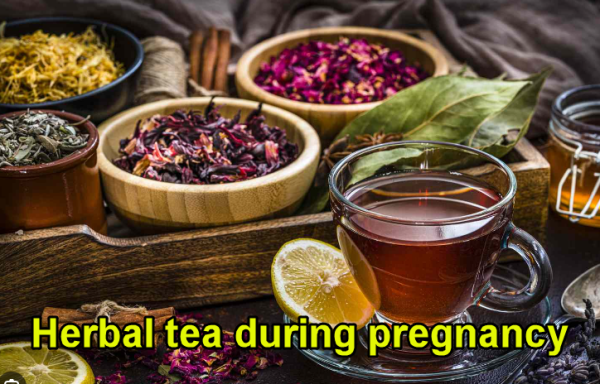
Herbal tea during pregnancyupdated at Nov 29, 2024 1,547 1,547 While many herbal teas are generally considered safe, |
Herbal tea during pregnancyupdated at Nov 29, 2024 1,547 While many herbal teas are generally considered safe, |
Herbal tea during pregnancy | |||
1,548  0 0  0 0 | |||
| While many herbal teas are generally considered safe, pregnant women should exercise caution and consult their healthcare provider before consuming any herbal tea during pregnancy. Some herbs can have effects on the body that may be harmful to the developing fetus or interfere with pregnancy, while others are generally well-tolerated. It's crucial to prioritize safety and obtain personalized advice from a medical professional to determine which, if any, herbal teas are appropriate during this time.
Herbal tea during pregnancy is a complex issue. While some herbal teas are considered safe, many others pose potential risks to both the mother and developing baby. It's crucial to consult a doctor or registered dietitian before consuming any herbal tea during pregnancy.
Teas generally considered relatively safe (but still require doctor approval): Even these should be consumed in moderation.
Teas to absolutely avoid during pregnancy:
Instead of herbal teas, pregnant women should focus on hydration through water, and perhaps unsweetened fruit juices in moderation. Tags: BST.Milk Birth Canal Bonding Digestive system Herbal tea Herbal tincture Hot-tubbing Kava Malformation Menstrural contraction Nettle tea Nutritive mineral Nutritive tea Pharmacological action Pregnancy tea Raspberry leaf tea Skiing St. John's Wort Tea Uterine contraction   | |||
| |||
| | |||
|
|
|

 3362
3362